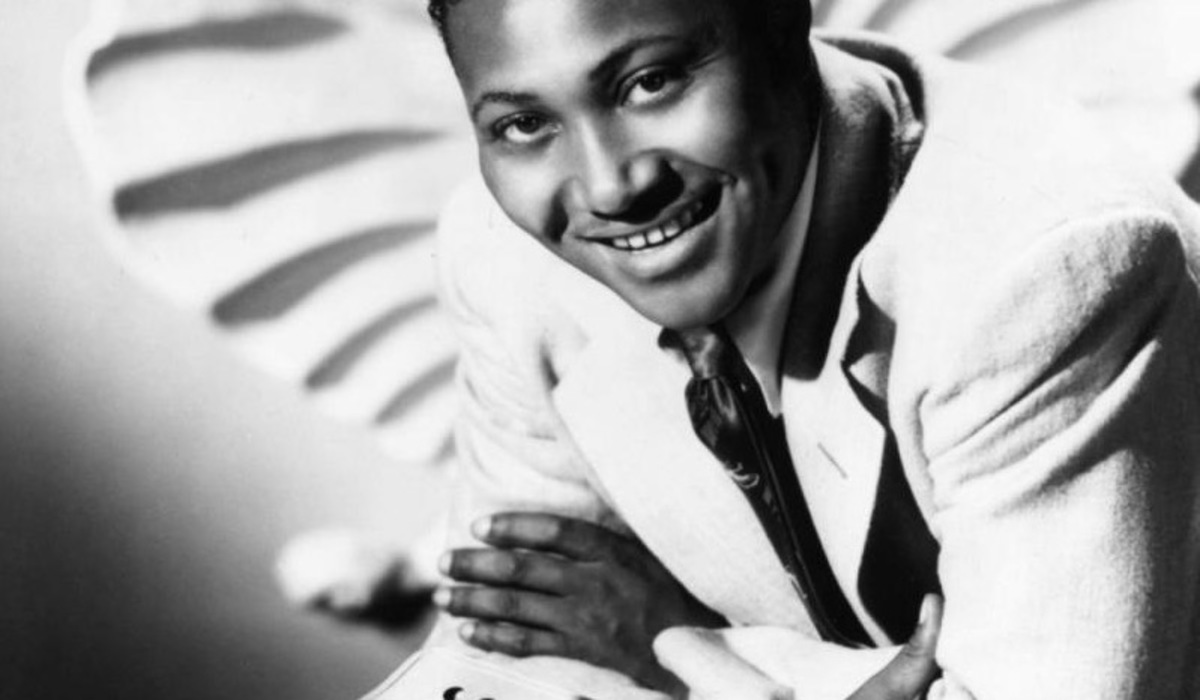
Amos Milburn may not be a household name to all music lovers today, but in the 1940s and 1950s, he was a powerhouse of rhythm and blues. Known for his rollicking piano style and smooth vocals, Milburn helped lay the foundation for rock ‘n’ roll and influenced generations of musicians. Dive into these five fascinating curiosities about this blues legend.
1. A Boogie-Woogie Piano Prodigy
Amos Milburn was a virtuoso at the piano from an early age. Born in Houston, Texas, in 1927, he began playing piano at the age of five. His talent for boogie-woogie—a fast-paced, rhythmic piano style—would later become his signature. His energetic performances made him a standout figure in the postwar jump blues scene.
2. A Decorated WWII Veteran at Just 15
Incredibly, Milburn enlisted in the U.S. Navy at just 15 years old, reportedly by lying about his age. He served in the Pacific Theater during World War II and returned home with honors. This experience gave him a maturity that set him apart from other young musicians of the time.
3. The King of Drinking Songs
Amos Milburn became famous for a string of humorous and upbeat songs about alcohol and partying. Hits like “One Scotch, One Bourbon, One Beer,” “Bad, Bad Whiskey,” and “Let Me Go Home, Whiskey” earned him the title of “the King of the Drinking Songs.” These tracks not only topped R&B charts but also became staples of barroom jukeboxes across America.
4. A Major Influence on Fats Domino and Little Richard
Milburn’s rhythmic style and vocal delivery had a profound impact on future rock and roll pioneers. Fats Domino and Little Richard both cited him as a major influence. His fusion of rhythm, blues, and showmanship helped pave the way for the explosive energy of 1950s rock ‘n’ roll.
5. Overshadowed but Not Forgotten
Despite a string of hits in the 1940s and early 1950s, Milburn’s career faded as musical tastes shifted. He struggled with health problems and was partially paralyzed by a stroke in the 1970s. He died in 1980 at the age of 52. While he never achieved mainstream fame on the level of some of his peers, his music lives on through reissues and tributes by artists who recognize his contributions to the blues and early rock.
Conclusion
Amos Milburn’s legacy is one of rhythmic innovation, vibrant storytelling, and heartfelt performance. From his military service to his role as a musical trailblazer, Milburn remains a fascinating and influential figure in American music history. If you’ve never heard his music, pour yourself a drink and let the piano boogie take you back to a golden era of rhythm and blues.

Comments are closed