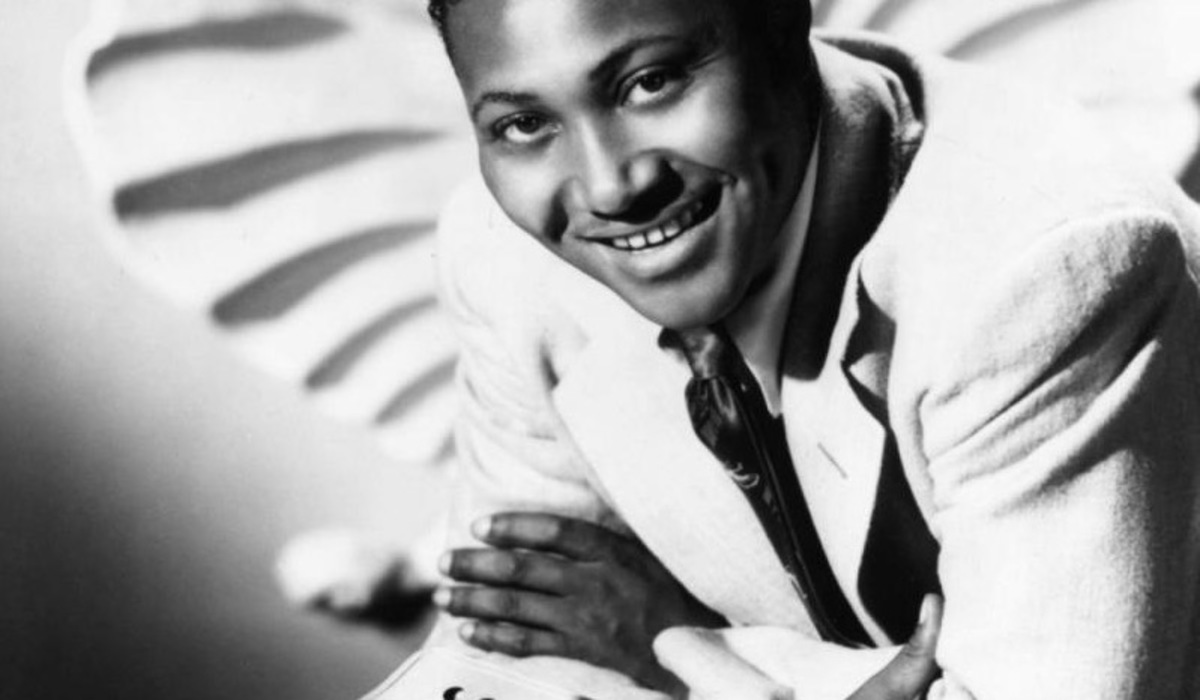
The Life and Music of Amos Milburn
Introduction
Amos Milburn was one of the most influential rhythm and blues (R&B) pianists and vocalists of the 1940s and 1950s. Known for his rollicking boogie-woogie piano style and smooth, engaging voice, Milburn helped lay the groundwork for rock ‘n’ roll. With hits like “Chicken Shack Boogie” and “One Scotch, One Bourbon, One Beer,” Milburn was a key figure in the post-war jump blues scene. His music, which blended blues, jazz, and swing, brought energy and humor to a generation recovering from the hardships of World War II. Though his star faded by the late 1950s, his legacy continues to influence musicians across genres.

Childhood
Joseph Amos Milburn Jr. was born on April 1, 1927, in Houston, Texas, into a large and musical family. The Milburn household was filled with the sounds of blues, gospel, and boogie-woogie, which sparked Amos’s early interest in music. He began playing piano by ear at the age of five and was soon entertaining his family and friends with lively renditions of popular songs. His parents recognized his talent and encouraged his musical development, though formal training was limited.
Growing up in Houston’s Fifth Ward, a predominantly African-American neighborhood, Milburn was exposed to a variety of cultural influences. He listened to records by Fats Waller and Albert Ammons, and was especially drawn to the rhythmic drive of boogie-woogie piano. This early exposure would shape his future musical style.
Youth
By the time he was fifteen, Milburn was already performing in local clubs, often lying about his age to gain entry. His charm, talent, and stage presence quickly made him a favorite in the local music scene. After graduating from high school, he briefly served in the U.S. Navy during World War II, where he performed for fellow servicemen and further honed his skills as a musician.
Returning to Houston after the war, Milburn immersed himself in the vibrant Texas blues circuit. He began playing with local bands and recording demos, hoping to catch the attention of record labels. His big break came in 1946 when he was discovered by Lola Anne Cullum, a talent scout for Aladdin Records, an independent label based in Los Angeles. Impressed by his powerful voice and dynamic piano playing, Cullum signed Milburn to the label and brought him to California to record.
Adulthood
Milburn’s move to Los Angeles marked the beginning of his most successful period. His first recordings for Aladdin were promising, but it was the 1948 release of “Chicken Shack Boogie” that catapulted him to national fame. The single reached No. 1 on the R&B charts and established Milburn as a leading figure in the jump blues movement.
Between 1948 and 1954, Milburn recorded a string of hits that defined the sound of postwar R&B. Songs like “Bewildered,” “Hold Me Baby,” and “Roomin’ House Boogie” showcased his smooth vocals and mastery of the piano. Milburn was also one of the first artists to popularize the drinking blues subgenre with songs such as “Bad, Bad Whiskey,” “Thinking and Drinking,” and the iconic “One Scotch, One Bourbon, One Beer.”
His energetic performances and relatable lyrics made him a favorite on the Chitlin’ Circuit and in major cities across the country. Milburn toured extensively, performing with other R&B luminaries such as Charles Brown, Ruth Brown, and Big Joe Turner. Despite his success, however, Milburn remained modest and focused on his craft.
By the mid-1950s, musical tastes were shifting toward rock ‘n’ roll. While Milburn’s style had influenced the new genre, his own popularity began to wane. He recorded for several other labels, including Ace and Motown, but none of these efforts matched his earlier success. Nonetheless, Milburn continued to perform and record throughout the 1960s.
Major Compositions
Amos Milburn’s contributions to blues and R&B were substantial. Some of his most significant compositions and recordings include:
- “Chicken Shack Boogie” (1948): A raucous, piano-driven anthem that became Milburn’s signature tune.
- “One Scotch, One Bourbon, One Beer” (1953): This song became a blues standard and was later covered by numerous artists, including John Lee Hooker and George Thorogood.
- “Bad, Bad Whiskey” (1950): Another No. 1 hit that helped define the drinking blues theme.
- “Let Me Go Home, Whiskey” (1953): A humorous but poignant tune that reinforced Milburn’s image as a good-natured party man.
- “Trouble in Mind” and “My Daily Prayer”: More introspective numbers that showcased his versatility as a performer.
Milburn’s songwriting often reflected everyday struggles, joys, and vices, making his music highly relatable to working-class listeners. His rhythmic piano work and smooth vocal delivery influenced future generations of musicians, including Fats Domino, Ray Charles, and Little Richard.
Death
Milburn’s later years were marred by health issues. He suffered a stroke in 1972, which left him partially paralyzed and unable to perform regularly. Despite these setbacks, he continued to record occasionally and remained connected to the music community.
Amos Milburn died on January 3, 1980, in Houston, Texas, at the age of 52. His death marked the loss of one of the great pioneers of postwar R&B. Although his name is not as widely known today as some of his contemporaries, his influence on blues, R&B, and early rock ‘n’ roll remains significant.
Conclusion
Amos Milburn was a trailblazing artist whose music captured the spirit of a generation. With his lively boogie-woogie piano, smooth vocals, and sharp songwriting, he brought joy and rhythm to postwar America. His songs about nightlife, drinking, and everyday struggles resonated with audiences and influenced some of the biggest names in American music. Though his star dimmed in the latter part of his life, his recordings continue to be celebrated by blues enthusiasts and historians alike. Milburn’s legacy endures as a cornerstone of modern rhythm and blues, and his music remains a testament to the enduring power of the blues.
Comments are closed