Introduction
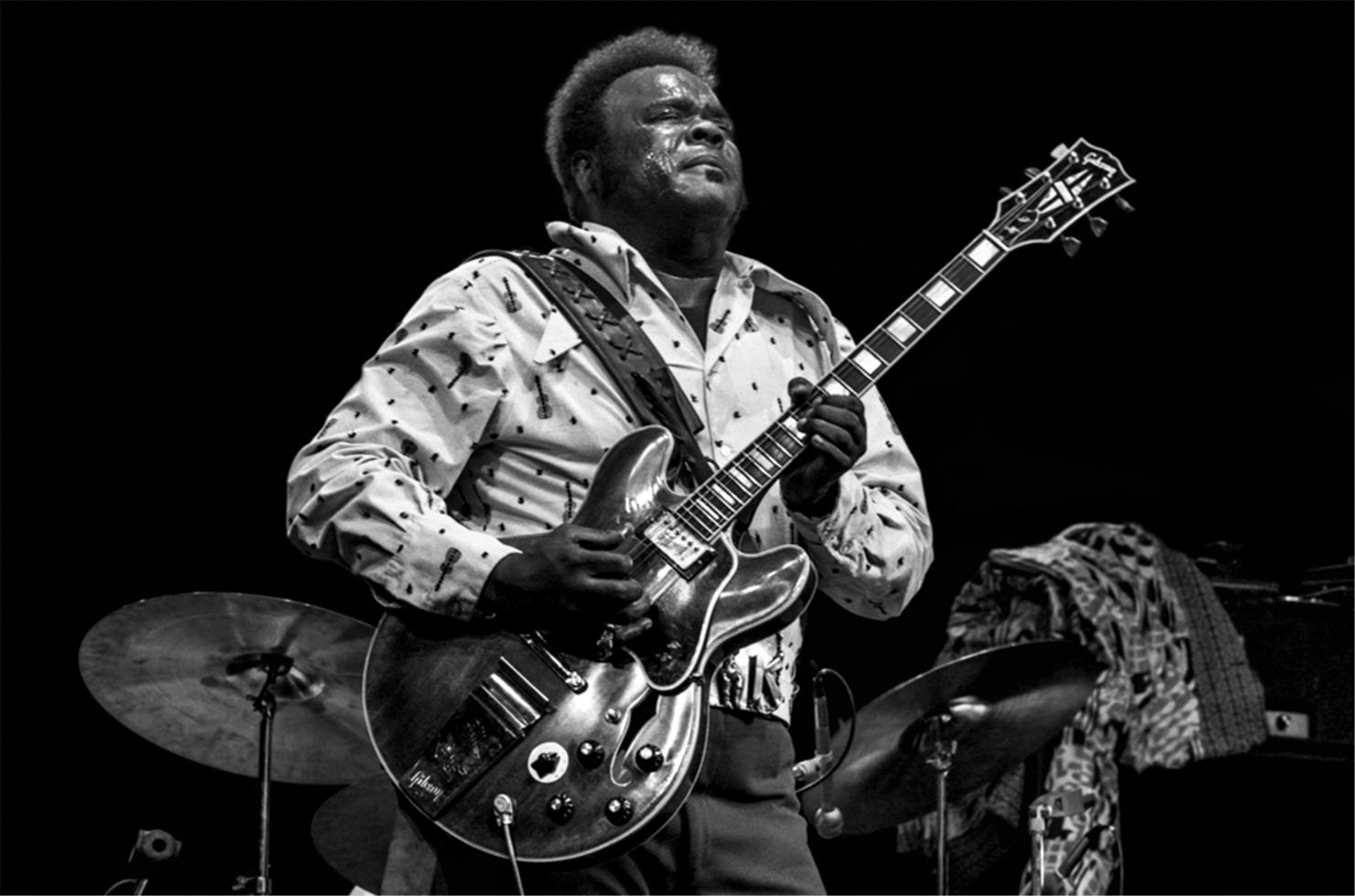
Freddie King was one of the most influential blues guitarists and singers in American music history. Known for his powerful voice, energetic stage presence, and distinctive guitar technique, he became a major figure in the development of electric blues during the 1950s, 1960s, and 1970s. Alongside B.B. King and Albert King, he is often recognized as one of the “Three Kings of the Blues.” His music helped bridge the gap between traditional blues and rock, inspiring generations of musicians including Eric Clapton, Stevie Ray Vaughan, Peter Green, and many others.
King’s combination of Texas blues roots and Chicago blues sophistication created a unique style that remains influential today. His recordings, especially instrumental hits such as “Hide Away” and vocal classics like “Have You Ever Loved a Woman,” established him as one of the most respected blues artists of the twentieth century.
Childhood
Freddie King was born Frederick Christian on September 3, 1934, in Gilmer, Texas. He was the son of J. T. Christian and Ella Mae King. Growing up in a musical family, he was introduced to the guitar at an early age. His mother and his uncle, Leon King, taught him the basics of playing when he was about six years old.
Music was an important part of life in East Texas, and young Freddie was surrounded by the sounds of blues, gospel, and country music. He listened to influential artists such as Lightnin’ Hopkins, Blind Lemon Jefferson, T-Bone Walker, and Louis Jordan. These musicians helped shape his understanding of rhythm, melody, and guitar technique.
As a child, King practiced constantly and quickly developed a passion for the instrument. He earned money through agricultural work, including picking cotton, and used some of his earnings to purchase his own guitar. By his early teens, he had already become a skilled player with ambitions of pursuing music professionally.
Youth
In 1949, Freddie King and his family moved to Chicago, Illinois. The city was one of the most important centers of blues music in the United States, and the move exposed him to a thriving musical culture. Chicago’s South Side was filled with clubs and venues where legendary blues musicians performed regularly.
As a teenager, King frequented local clubs whenever possible, listening to artists such as Muddy Waters, Howlin’ Wolf, Sonny Boy Williamson, Elmore James, and Jimmy Rogers. These performers had a profound influence on his musical development.
King began performing with local musicians and formed one of his earliest groups, the Every Hour Blues Boys. Despite his growing talent, success did not come easily. He auditioned several times for Chess Records, one of the most important blues labels in Chicago, but was repeatedly rejected.
To support himself, King worked in a steel mill during the day while performing music at night. This period of struggle helped strengthen his determination and refine his skills as both a guitarist and vocalist.
Adulthood
Freddie King’s breakthrough came in 1960 when he signed with Federal Records, a subsidiary of King Records. His first major successes arrived with the songs “Have You Ever Loved a Woman” and “Hide Away.” The latter became a major instrumental hit and established King as a leading figure in modern electric blues.
During the 1960s, he released a series of successful recordings that showcased both his guitar playing and his singing ability. His aggressive yet melodic style distinguished him from other blues artists. He often played with a plastic thumb pick and a metal finger pick, creating a sharp, powerful tone that became one of his trademarks.
King’s popularity extended beyond traditional blues audiences. As British blues and rock musicians discovered his work, his influence grew internationally. Guitarists such as Eric Clapton, Peter Green, and Mick Taylor openly admired his playing and incorporated elements of his style into their own music.
In the late 1960s and early 1970s, King recorded for Atlantic Records and later for Shelter Records. During this period he expanded his sound by incorporating soul, funk, and rock influences while remaining rooted in the blues tradition. Albums such as My Feeling for the Blues, Getting Ready, Texas Cannonball, and Burglar helped introduce his music to new audiences.
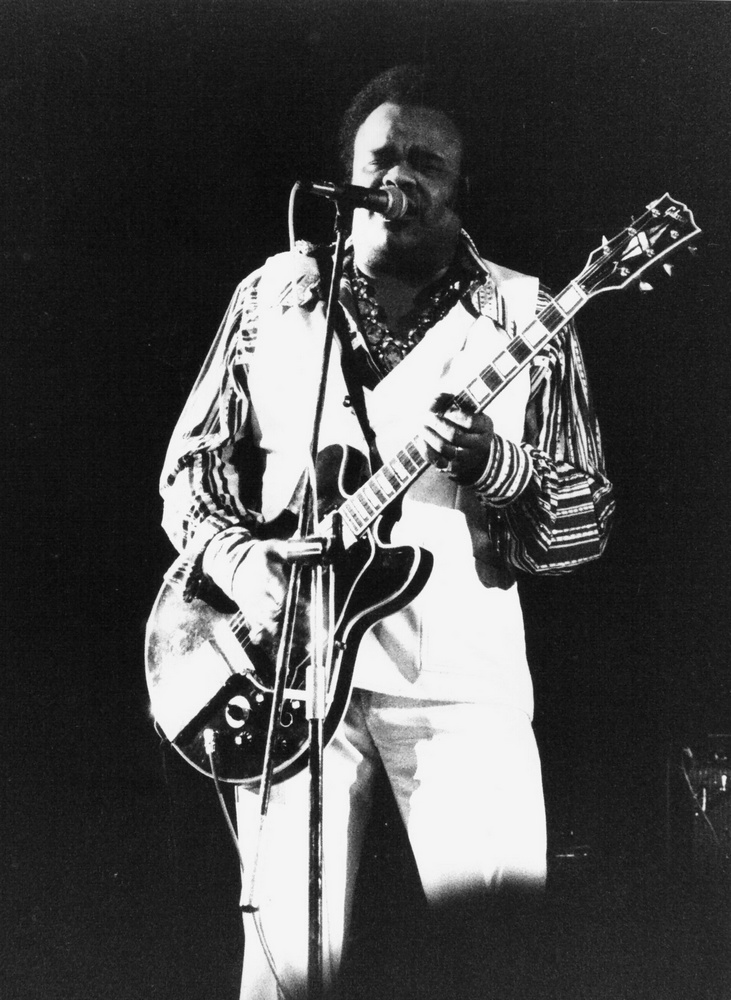
One of his most famous recordings from this era was “Going Down,” a song that became a staple of blues-rock performance and was widely covered by other artists. Throughout the 1970s, King toured extensively across the United States and Europe, earning a reputation as one of the most exciting live performers in blues music.
His relentless touring schedule, however, placed considerable strain on his health. Despite growing physical problems, he continued performing almost constantly until the final months of his life.
Major Compositions
“Hide Away” (1961)
“Hide Away” is arguably Freddie King’s most famous instrumental recording. Built around memorable guitar riffs and energetic phrasing, the song became a blues standard and influenced countless guitarists. It remains one of the most frequently performed instrumental blues pieces in history.
“Have You Ever Loved a Woman” (1960)
This slow blues classic showcased King’s emotional vocal delivery and expressive guitar playing. The song later became a favorite of Eric Clapton and many other blues musicians.
“I’m Tore Down” (1961)
A fast-paced blues number featuring powerful vocals and dynamic guitar work. The song became one of King’s signature recordings and remains a popular blues standard.
“The Stumble” (1961)
An instrumental composition admired for its sophisticated guitar phrasing and melodic structure. It has long been a favorite among blues guitar students and professionals alike.
“Going Down” (1971)
One of King’s best-known later recordings, “Going Down” blended blues and rock elements into a powerful anthem. The song became highly influential within the blues-rock genre and has been recorded by numerous artists.
“You’ve Got to Love Her with a Feeling” (1960)
This recording highlighted King’s ability to combine emotional singing with masterful guitar accompaniment. It remains an important example of his early vocal style.
Death
By the mid-1970s, Freddie King’s demanding lifestyle had begun to affect his health. Years of constant touring, physical exhaustion, poor diet, and ongoing medical issues contributed to a serious decline in his condition.
In 1976, he developed severe stomach ulcers and complications related to acute pancreatitis. Despite medical treatment, his health continued to worsen.
Freddie King died on December 28, 1976, at the age of forty-two. His death was a significant loss to the blues community and the broader music world. Although his life was relatively short, his influence on modern guitar music had already become enormous.
Conclusion
Freddie King occupies a central place in the history of American blues. His powerful fusion of Texas and Chicago blues traditions helped shape the sound of electric blues during a critical period in its development. Through his innovative guitar technique, passionate singing, and memorable compositions, he influenced generations of musicians across blues, rock, and beyond.
Today, King is remembered not only as one of the greatest blues guitarists of all time but also as a pioneering artist whose work continues to inspire performers around the world. His recordings remain essential listening for anyone seeking to understand the evolution of modern blues and the roots of blues-rock guitar.
Comments are closed