Albert Collins – A Complete Biography
Introduction
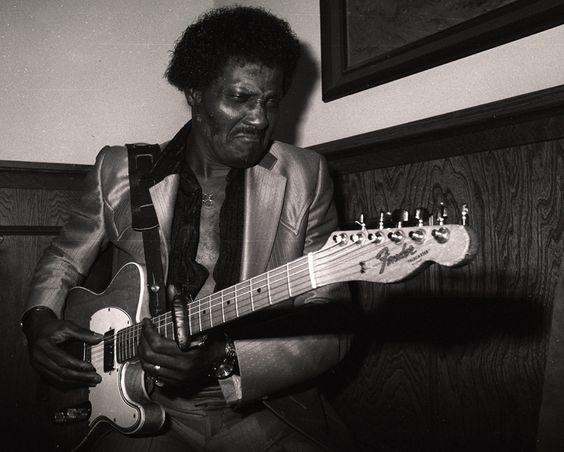
Albert Collins, widely known as “The Iceman” and celebrated for his unique, searing guitar tone, stands as one of the most influential figures in modern blues. With his heavily amplified Telecaster, ice-cold attack, and inventive use of minor tunings and a capo, he helped define the Texas blues sound and inspired generations of guitarists in blues, rock, and soul. Although he gained widespread recognition relatively late in his life, Collins’ legacy is that of a trailblazer whose innovative style reshaped electric blues and cemented him among the greats.
Childhood
Albert Gene Drewery, later known as Albert Collins, was born on October 1, 1932, in Leona, Texas. He was raised in a rural environment where music, particularly the blues, was a powerful presence in everyday life. His family moved frequently, eventually settling in Houston when he was a young boy. In his early childhood, Collins absorbed the soundscape of Texas blues, listening to local musicians and the radio. His family was not wealthy, but they supported his interest in music, which developed naturally as he observed relatives who played guitar for informal gatherings. These early experiences laid the foundation for his lifelong connection to the blues.
Youth
As a teenager in Houston, Collins became increasingly fascinated by the guitar. At the age of twelve, he began teaching himself to play on a borrowed instrument, developing an early sense of phrasing and rhythm. Although influenced by big names such as John Lee Hooker, Clarence “Gatemouth” Brown, and Lightnin’ Hopkins, Collins was determined to shape his own musical identity. By experimenting with open tunings and later adopting a capo high on the neck, he produced a sharp, ringing sound that would become his signature.
During this period, Collins also began forming musical friendships—most notably with his cousin, blues legend Lightnin’ Hopkins. Observing Hopkins’ performances deeply impacted Collins’ understanding of blues storytelling and improvisation. By his late teens, Collins had begun performing at local venues, attracting attention for his fiery technique and commanding stage presence.
Adulthood
Collins’ adult career emerged in the vibrant Houston blues scene of the 1950s. His early gigs were lively, intense, and often unpredictable, with the young guitarist leading his bands through long improvisational passages. In 1958, he recorded “The Freeze,” a regional hit that established him as a fresh new voice in Texas blues. Over the next decade, he continued releasing singles that showcased his ice-infused guitar tone and imaginative arrangements.
In the mid-1960s, Collins relocated to Kansas City and later to California, where his career began to expand rapidly. His 1968 album The Cool Sound of Albert Collins brought him broader recognition, and his partnership with iconic blues label Alligator Records in the late 1970s marked a new chapter of success. Under Alligator, Collins released several critically acclaimed albums, including Ice Pickin’, Frostbite, and Don’t Lose Your Cool. These recordings displayed his mastery of blues guitar and his playful, humorous approach to songwriting.
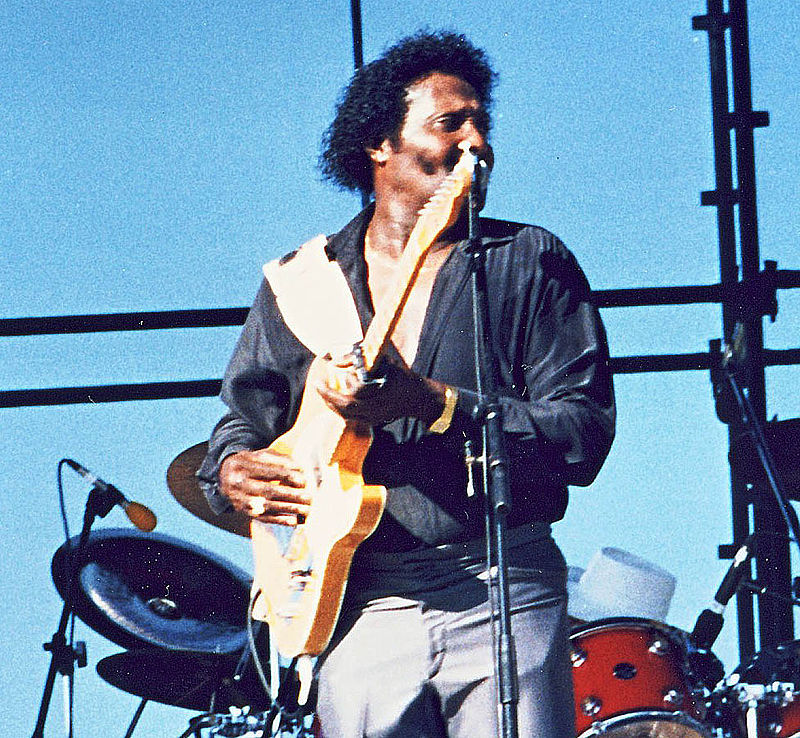
Through the 1980s, Collins became an international touring artist, playing major blues festivals and collaborating with other influential musicians. His powerful stage performances—often featuring extended solos as he roamed through the audience—became legendary. Collins’ mentorship of younger musicians, including Robert Cray, Stevie Ray Vaughan, and Johnny Copeland, further solidified his reputation as a key figure in the evolution of modern blues.
Major Compositions
Albert Collins was primarily known as a performer and improviser rather than a traditional “composer,” but his recorded output includes numerous original songs and arrangements that have become staples of the blues repertoire. Some of his most recognized works include:
- “The Freeze” – His early breakthrough hit that introduced his distinctive style.
- “Frosty” – Perhaps his best-known instrumental, featuring his signature stinging guitar tone.
- “Ice Pick” – A powerful instrumental highlighting his high-capo technique and aggressive attack.
- “I Ain’t Drunk” – A humorous, crowd-pleasing blues shuffle that became a fan favorite.
- “Too Tired” – A driving blues-rock number later covered by Gary Moore, who credited Collins as a major influence.
- “Master Charge” – A witty and musically sharp critique of consumer finance culture.
These pieces, along with others such as “Sno-Cone,” “Lights Are On (But Nobody’s Home),” and “Cold Cuts,” helped define Collins’ role as a master of modern electric blues and a pioneer of the “ice” motif that ran through his body of work.
Death
Albert Collins continued performing well into the 1990s, remaining a powerful and beloved presence on the blues circuit. In early 1993, he was diagnosed with lung cancer, a condition that progressed rapidly. Despite his illness, Collins faced his final months with dignity and remained connected to his fans and fellow musicians. He passed away on November 24, 1993, in Las Vegas, Nevada, at the age of 61.
His death was mourned throughout the music world, with tributes from blues institutions, guitarists, and fans who recognized him as one of the most original and influential artists of his generation.
Conclusion
Albert Collins’ musical journey—from a self-taught Texas teenager to an internationally respected ambassador of the blues—stands as a testament to creativity, resilience, and artistic individuality. His crystalline tone, unconventional techniques, and electrifying performances set him apart as a visionary of the genre. Through his recordings, his mentorship, and the countless players he influenced, Collins’ legacy continues to resonate across blues, rock, and contemporary guitar music.
Known forever as “The Iceman,” Albert Collins remains a towering figure whose music both honors tradition and breaks new ground, ensuring his place among the most significant blues musicians of all time.
Comments are closed