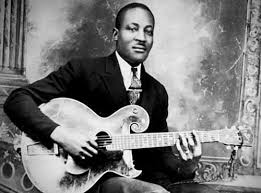
Big Bill Broonzy – A Complete Biography
Introduction
Big Bill Broonzy stands as one of the most influential figures in the history of American blues. Active during the formative decades in which the blues transitioned from a regional expression to a national and international musical language, Broonzy served as a bridge between rural acoustic styles and the emerging urban, electrified Chicago sound. His prolific output, charismatic stage presence, and stylistic adaptability made him a central ambassador for African American folk traditions at a time when the genre was gaining global recognition. Beyond his musical accomplishments, Broonzy’s life story illustrates the broader socio-economic, cultural, and racial dynamics that shaped the American experience in the early twentieth century.
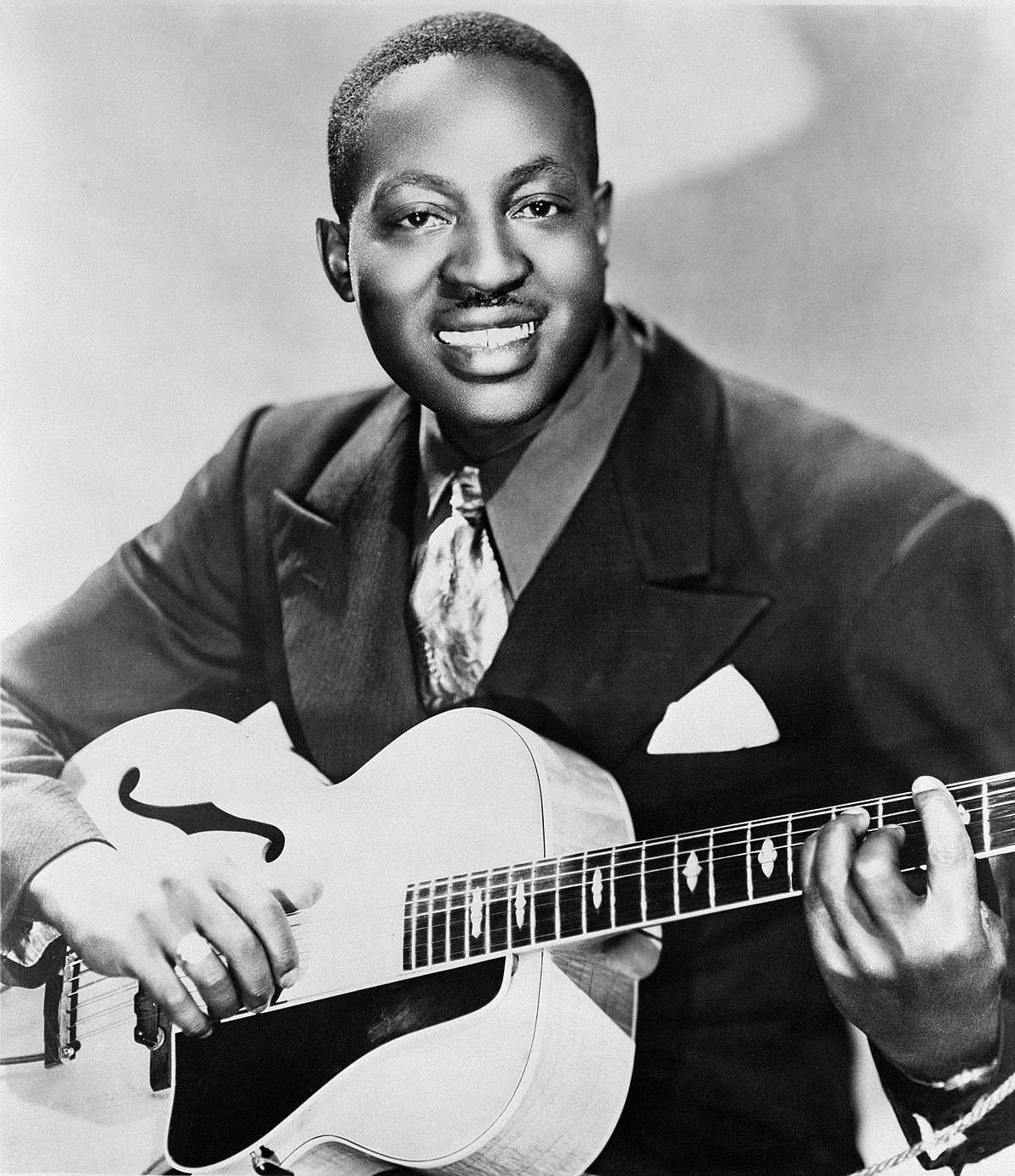
Childhood
Big Bill Broonzy—born Lee Conley Bradley—entered the world on June 26, 1903, in Scott, Mississippi, though he later stated he was born in Arkansas, contributing to occasional confusion about his early biography. He was one of a large family of siblings raised by sharecropping parents who worked the cotton fields under difficult and often exploitative labor conditions. These formative years exposed him to the hardships that defined African American rural life in the post-Reconstruction South.
Music appeared early in his life, but not initially through the guitar for which he would later become celebrated. Instead, he first learned to play the violin, performing at local dances, picnics, and church gatherings. Rural string-band traditions, spirituals, and field hollers shaped his understanding of rhythm, melody, and storytelling. This foundation would later influence his transition into blues performance, giving his recordings an unusually wide range of emotional expression and stylistic variety.
Youth
As Broonzy entered adolescence, economic pressures intensified, prompting him to seek opportunities beyond field labor. During his teenage years, he worked various manual jobs to support his family and briefly continued performing at community events. However, like many young African American men of his generation, he encountered limited upward mobility in the segregated Deep South.
He was drafted into the U.S. Army during World War I and sent to Europe, an experience that broadened his worldview while deepening his awareness of racial inequality. Military life brought discipline and structure, yet it also exposed him to the ironic contrast between the relative freedom he found abroad and the discrimination he returned to at home. After his military service, he determined that rural life in the South offered little promise, and by the early 1920s he joined the Great Migration northward, eventually settling in Chicago.
Adulthood
Chicago provided Broonzy with both challenges and opportunities. In its bustling neighborhoods, he encountered a thriving African American cultural scene that mixed Southern traditions with emerging urban sensibilities. While initially taking on manual labor jobs, he soon began performing with local musicians, gradually integrating into a vibrant blues community that included notable figures such as Tampa Red, Memphis Minnie, and Jazz Gillum.
By the late 1920s, Broonzy entered the recording industry, producing early tracks that showcased a blend of country blues phrasing and polished vocal delivery. His career expanded steadily through the 1930s and 1940s, during which he became a central figure in the Chicago blues scene. He frequently collaborated with other artists, performed in nightclubs, and adapted his style to incorporate new musical trends.
One of Broonzy’s strengths was his versatility. As musical tastes shifted, he transitioned from acoustic country blues to more urban, ensemble-based formats, sometimes incorporating jazz elements. During the American folk revival of the 1950s, he returned to acoustic performance and became a touring artist in Europe, where he received widespread admiration. European audiences viewed him as a living embodiment of traditional American blues, and his performances introduced many future musicians—including some who later shaped rock and roll—to the depth of the genre.
Beyond performance, Broonzy spoke openly about racial injustice in America. His autobiographical writings and interviews describe his life experiences with candor, offering critical insight into the African American struggle during the first half of the twentieth century.
Major Compositions
Big Bill Broonzy wrote and recorded hundreds of songs across several decades, building a repertoire that remains foundational to blues history. Among his most significant compositions are:
Key Works
- Key to the Highway
A blues standard known for its distinctive eight-bar structure, later revived by numerous jazz, blues, and rock musicians. - All by Myself
A reflective, emotionally driven piece showcasing Broonzy’s lyrical sensitivity and vocal range. - When I’ve Been Drinkin’
A classic example of Chicago blues wit and narrative craftsmanship. - Make My Getaway
A compelling blend of rhythmic drive and lyrical storytelling reflective of his mature style. - I Feel So Good
One of his most enduringly popular songs, characterized by a joyful, infectious energy.
Broonzy’s catalog spans humorous songs, protest-inflected lyrics, rural narratives, urban love songs, and introspective meditations. His flexibility as both a composer and interpreter allows his body of work to serve as a comprehensive survey of early twentieth-century blues idioms.
Death
Broonzy’s later years were marked by a combination of international acclaim and declining health. Despite continuing to perform and record extensively through the 1950s, he was diagnosed with throat cancer. His condition gradually worsened, ultimately limiting his ability to sing.
Big Bill Broonzy died on August 14, 1958, in Chicago. His passing marked the end of an era, but his music continued to influence subsequent generations, from 1960s folk revivalists to blues-inspired rock musicians. His legacy has only grown in the decades since.
Conclusion
Big Bill Broonzy’s life and work represent a significant chapter in the evolution of American music. He bridged the worlds of rural blues and urban sophistication, acoustic tradition and electrified innovation, American audiences and international recognition. His compositions, recordings, and live performances established enduring standards still studied and performed worldwide.
More than a musician, Broonzy was a cultural emissary who articulated the joys, sorrows, humor, and contradictions of African American life during a period of profound social change. His influence remains deeply embedded in blues, folk, and rock traditions, securing his status as one of the most essential figures in twentieth-century musical history.
Comments are closed