Introduction
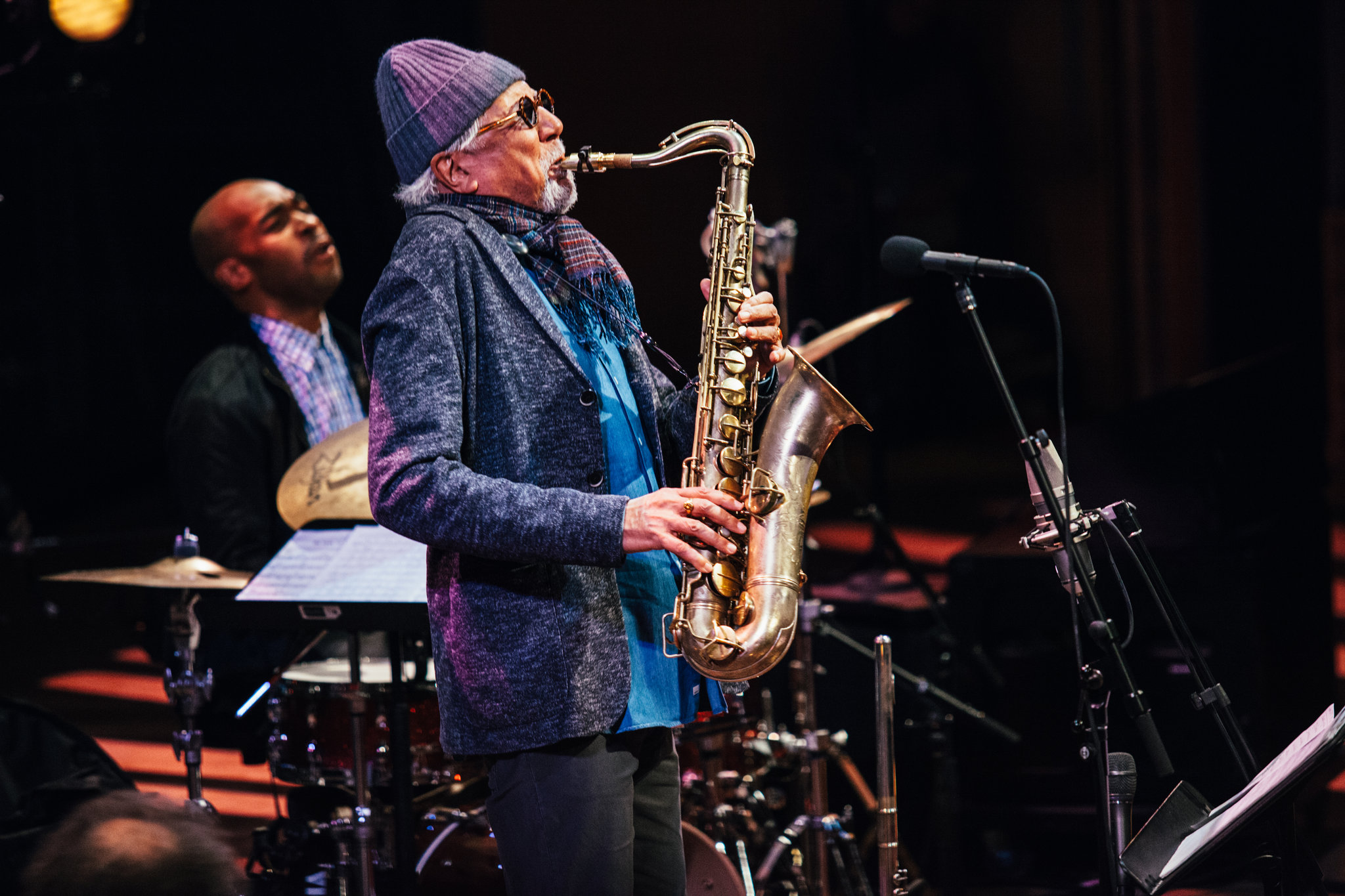
Charles Lloyd is one of the most influential and innovative figures in modern jazz. Known primarily as a tenor saxophonist, flutist, composer, and bandleader, he has enjoyed a career spanning more than six decades. His music blends jazz with blues, gospel, folk traditions, classical influences, and world music, creating a highly personal artistic voice. Lloyd achieved international fame during the 1960s and later experienced a remarkable artistic resurgence that established him as one of the most respected elder statesmen of jazz.
Throughout his career, he has been recognized for his spiritual approach to music, his lyrical improvisations, and his ability to bridge musical traditions and generations. His contributions have helped shape the evolution of contemporary jazz while maintaining deep roots in the blues and musical culture of the American South.
Childhood
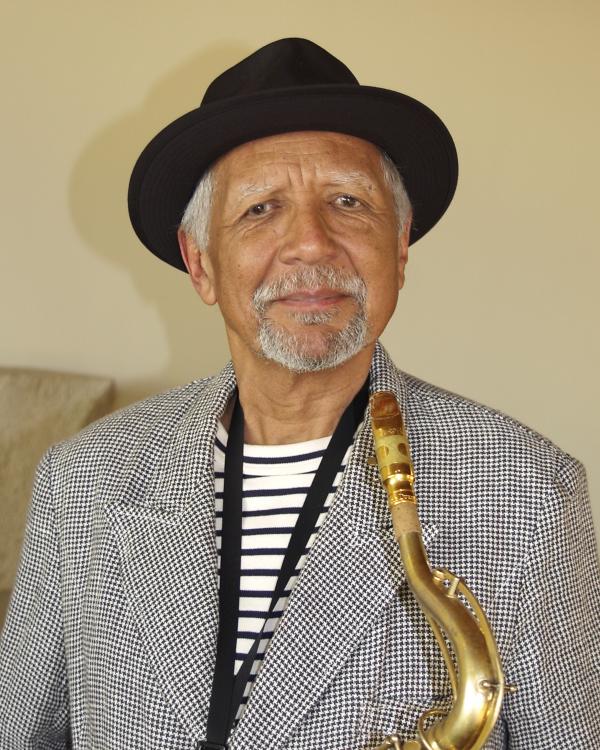
Charles Lloyd was born on March 15, 1938, in Memphis, Tennessee. Growing up in Memphis exposed him to a rich mixture of musical traditions, including blues, gospel, rhythm and blues, and jazz. The city was a major center of African American music, and Lloyd absorbed its sounds from an early age.
He received his first saxophone at the age of nine and quickly became fascinated with music. Influential local musicians helped guide his development, including pianist Phineas Newborn, who became an important mentor. Lloyd also studied with saxophonist Irvin Reason and learned the fundamentals of composition while developing a deep appreciation for musical expression.
As a child, he listened attentively to radio broadcasts featuring jazz legends such as Charlie Parker, Coleman Hawkins, Lester Young, Billie Holiday, and Duke Ellington. These artists inspired him and helped shape his understanding of improvisation and musical storytelling.
Youth
During his teenage years, Lloyd became actively involved in Memphis’s vibrant music scene. He played alongside future jazz stars such as George Coleman, Harold Mabern, Frank Strozier, and his close friend Booker Little. At the same time, he gained practical experience performing with leading blues musicians.
While still very young, Lloyd worked as a sideman for prominent blues artists including B.B. King, Howlin’ Wolf, Bobby “Blue” Bland, and Johnny Ace. These experiences exposed him to the emotional power of the blues and left a lasting influence on his musical identity.
In 1956, Lloyd moved to Los Angeles to study music at the University of Southern California. During the day he pursued formal musical education, while at night he immersed himself in the thriving West Coast jazz scene. He performed with many emerging innovators, including Ornette Coleman, Eric Dolphy, Charlie Haden, Don Cherry, Billy Higgins, and Bobby Hutcherson. These formative years broadened his musical horizons and prepared him for a professional career.
Adulthood
Lloyd’s professional breakthrough came in 1960 when he joined drummer Chico Hamilton’s group as musical director. His compositions and arrangements became central to the band’s sound, earning him recognition as both a performer and composer. During this period, he developed a distinctive style that combined sophisticated jazz improvisation with strong blues and world-music influences.
In 1964, Lloyd joined the Cannonball Adderley Sextet, one of the leading jazz groups of the era. Working with Adderley provided valuable experience and increased his visibility within the jazz community.
Soon afterward, Lloyd launched his own career as a bandleader. His recordings for Columbia Records attracted critical attention, and he was soon recognized as one of jazz’s most promising new talents. In 1966, he formed a legendary quartet featuring pianist Keith Jarrett, bassist Cecil McBee, and drummer Jack DeJohnette. The group became one of the most celebrated ensembles of the decade.
The live album Forest Flower achieved extraordinary commercial success and became one of the first jazz recordings to sell more than a million copies. Lloyd’s quartet appealed not only to jazz audiences but also to younger listeners associated with the counterculture movement of the 1960s. The group performed at rock venues and major festivals, helping expand the audience for jazz.
At the height of his fame, Lloyd surprised the music world by stepping away from the spotlight. Seeking personal and spiritual growth, he reduced his public appearances and devoted much of his time to meditation and self-reflection. Although he never completely abandoned music, he maintained a lower profile for several years.
Beginning in the 1980s, Lloyd experienced a remarkable artistic revival. His recordings for ECM Records reintroduced him to international audiences and established a new phase of creative excellence. In later decades, he collaborated with a wide range of artists, including Jason Moran, Zakir Hussain, Billy Higgins, Bobo Stenson, Brad Mehldau, and many others.
His achievements have been recognized with numerous honors, including designation as an NEA Jazz Master and induction into the Memphis Music Hall of Fame. Even into his eighties, Lloyd continued recording, touring, and producing critically acclaimed albums.
Major Compositions
Charles Lloyd has written many compositions that have become important parts of the modern jazz repertoire. Among his most notable works are:
Forest Flower
Perhaps his most famous composition, Forest Flower became an international success and remains closely associated with his career. The piece combines lyrical melodies, open improvisation, and spiritual depth.
Dream Weaver
A sophisticated and ambitious work that demonstrated Lloyd’s growing compositional maturity and his ability to blend structure with improvisational freedom.
Sweet Georgia Bright
One of Lloyd’s most frequently performed compositions, showcasing his melodic imagination and energetic style.
Lady Day
A tribute inspired by the legacy of Billie Holiday, reflecting Lloyd’s deep emotional and musical sensitivity.
Cape to Cairo Suite
A composition that illustrates his fascination with global musical traditions and cross-cultural influences.
Monk’s Dance
A later work honoring the legacy of Thelonious Monk while expressing Lloyd’s own distinctive musical language.
Throughout his career, Lloyd’s compositions have reflected his interest in spirituality, nature, cultural diversity, and personal transformation.
Death
As of 2026, Charles Lloyd is alive. Despite his advanced age, he continues to be recognized as one of the most important living figures in jazz. His later recordings have been praised for their depth, wisdom, and emotional resonance, demonstrating that his creativity remains active well into his eighth decade as a musician.
Because he is still living, no chapter of his life can yet be considered complete. His ongoing work continues to add new dimensions to an already extraordinary legacy.
Conclusion
Charles Lloyd’s life and career represent a unique journey through the history of modern music. From his early experiences in the blues-rich environment of Memphis to his emergence as an internationally celebrated jazz innovator, he has consistently pursued artistic growth and spiritual exploration.
His ability to merge jazz, blues, gospel, folk, and world music has made him one of the most distinctive voices in contemporary music. Whether performing as a young prodigy, a groundbreaking bandleader of the 1960s, or an elder master in the twenty-first century, Lloyd has remained committed to artistic authenticity and emotional truth.
Today, Charles Lloyd stands as a symbol of creativity, resilience, and musical excellence. His recordings, compositions, and performances continue to inspire musicians and listeners around the world, ensuring his place among the most significant artists in the history of jazz.
Comments are closed