Introduction
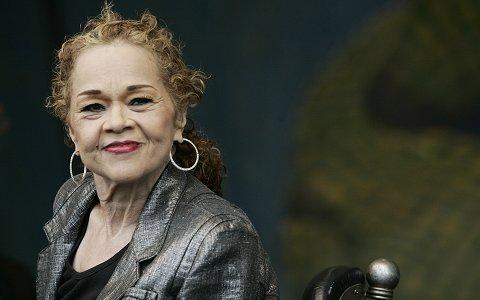
Etta James was one of the most influential and powerful voices in American music history. Known for her extraordinary ability to blend blues, rhythm and blues, soul, jazz, gospel, and rock and roll, she became one of the defining singers of the twentieth century. Her emotionally charged performances, distinctive vocal style, and remarkable versatility earned her widespread acclaim and numerous awards throughout her career.
Best known for timeless songs such as “At Last,” “Tell Mama,” and “I’d Rather Go Blind,” Etta James overcame immense personal struggles to establish herself as one of the greatest vocalists of all time. Her career spanned more than five decades, leaving a lasting impact on generations of musicians and listeners around the world.

Childhood
Etta James was born Jamesetta Hawkins on January 25, 1938, in Los Angeles, California. Her mother, Dorothy Hawkins, was only fourteen years old when Etta was born, and the identity of her father remained uncertain throughout much of her life. As a result, she experienced an unstable childhood and was raised primarily by foster parents.
From an early age, Etta displayed exceptional musical talent. She began singing in the choir of St. Paul Baptist Church in Los Angeles when she was just five years old. Under the guidance of choir director James Earle Hines, she developed her powerful voice and learned the fundamentals of gospel music.
Despite her musical gifts, Etta’s childhood was marked by hardship and instability. Frequent changes in her living situation and a lack of parental support created emotional challenges that would affect her throughout her life. Nevertheless, music provided an outlet and a sense of purpose during her formative years.
Youth
During her teenage years, Etta became increasingly interested in rhythm and blues. In the early 1950s, she formed a vocal group called the Creolettes with two friends. The group attracted the attention of bandleader Johnny Otis, who recognized Etta’s extraordinary talent and helped launch her career.
Otis suggested changing her stage name from Jamesetta to Etta James, a shortened version that would become famous worldwide. In 1955, she recorded “The Wallflower,” often known by its refrain “Roll with Me, Henry.” The song became a major rhythm-and-blues hit and introduced her to a national audience.
The success of her early recordings established Etta as a rising star. Throughout the late 1950s, she continued recording and performing, gaining recognition for her strong vocals and energetic stage presence. Her ability to move effortlessly between musical styles distinguished her from many of her contemporaries.
Adulthood
Etta James reached the peak of her artistic success during the 1960s after signing with Chess Records, one of the most important labels in blues and rhythm-and-blues history. During this period, she recorded many of the songs that would define her legacy.
In 1960, she released “At Last,” a powerful ballad that became her signature song. Although it was not an immediate chart-topping hit, it gradually became one of the most beloved recordings in American popular music. Her interpretation showcased her emotional depth and vocal sophistication.
Throughout the 1960s, Etta recorded a series of successful albums and singles that demonstrated her remarkable versatility. She excelled in blues, soul, jazz standards, and pop ballads, earning admiration from critics and fellow musicians alike.
Despite her professional achievements, Etta struggled with addiction for much of her adult life. Her battles with heroin and other substances led to legal troubles, health problems, and interruptions in her career. Nevertheless, she repeatedly fought to regain control of her life and continued performing.
The 1970s and 1980s were challenging periods, but Etta eventually experienced a major comeback. Her later recordings received critical acclaim, and she gained recognition from new generations of fans. She was inducted into numerous halls of fame and received multiple Grammy Awards, including a Grammy Lifetime Achievement Award.
In the 1990s and 2000s, Etta remained an active recording artist and performer. Her albums continued to showcase the emotional power and authenticity that had defined her career from the beginning. By this time, she was widely regarded as one of the greatest singers in American music history.
Major Compositions
Although Etta James was primarily known as a performer rather than a songwriter, several recordings became closely associated with her artistic identity and represent the highlights of her career.
“At Last” (1960)
Perhaps her most famous recording, this timeless ballad became a standard of American popular music. Its romantic lyrics and Etta’s passionate vocal performance made it one of the most recognizable love songs ever recorded.
“All I Could Do Was Cry” (1960)
A deeply emotional ballad that showcased her ability to communicate heartbreak and vulnerability. The song became one of her early crossover successes.
“Trust in Me” (1960)
Another powerful ballad that highlighted her sophisticated vocal style and emotional range.
“Something’s Got a Hold on Me” (1962)
An energetic blend of gospel and rhythm and blues that demonstrated her dynamic vocal power and became one of her most influential recordings.
“Pushover” (1963)
A lively rhythm-and-blues hit that displayed her versatility and commercial appeal.
“Tell Mama” (1967)
One of the defining soul recordings of the decade, this song revitalized her career and remains a classic of Southern soul music.
“I’d Rather Go Blind” (1967)
Widely considered one of the greatest blues ballads ever recorded, the song showcased Etta’s extraordinary ability to convey emotional pain and longing.
“Security” (1968)
A powerful soul recording that further established her reputation as one of the leading vocalists of her era.
These recordings, among many others, continue to influence artists across genres and remain staples of American music.
Death
In her later years, Etta James faced several serious health problems, including leukemia, kidney disease, and dementia. Despite these challenges, she continued to receive recognition for her contributions to music and remained respected by fans and fellow artists around the world.
Etta James died on January 20, 2012, in Riverside, California, just five days before her seventy-fourth birthday. Her death marked the end of an extraordinary career that had spanned more than half a century.
Following her passing, tributes poured in from musicians, critics, and public figures who celebrated her immense influence on American music. Many praised her as one of the greatest vocalists ever recorded and acknowledged the profound emotional impact of her performances.
Conclusion
Etta James stands among the most important and influential singers in the history of American music. Her remarkable voice, emotional honesty, and ability to transcend musical boundaries allowed her to leave an enduring mark on blues, soul, rhythm and blues, jazz, gospel, and rock and roll.
Although her life was often marked by personal struggles, she transformed those experiences into powerful artistic expression. Through songs such as “At Last,” “Tell Mama,” and “I’d Rather Go Blind,” she created a legacy that continues to inspire musicians and captivate audiences worldwide.
Today, Etta James is remembered not only as a legendary performer but also as a symbol of resilience, passion, and artistic excellence. Her recordings remain timeless examples of the emotional power of music and ensure that her voice will continue to be heard for generations to come.
Comments are closed