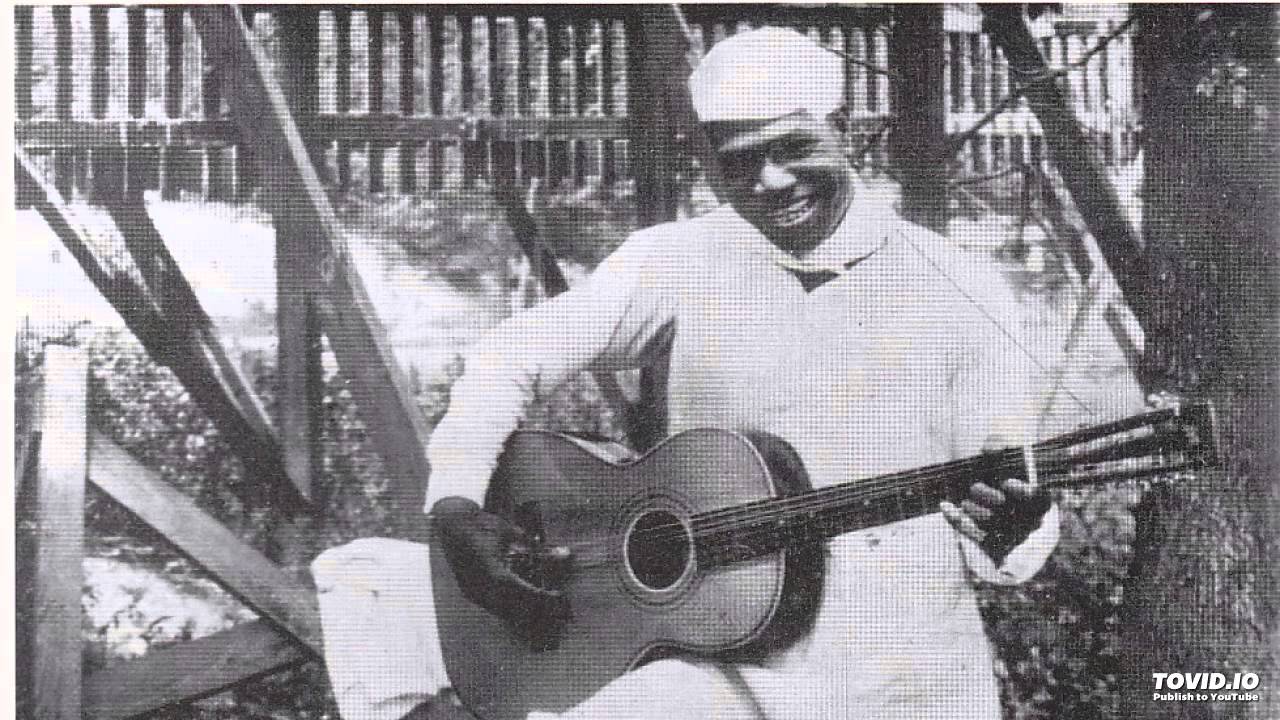
Barbecue Bob – A Complete Biography
Introduction
Robert Hicks, known to record buyers as Barbecue Bob, was a formative figure in the Atlanta/Piedmont blues of the late 1920s. Working frequently with a 12-string guitar and a penetrating, gruff vocal style, he produced a compact but influential recorded legacy that helped define an urban southern blues voice between the rural Delta tradition and city popular music. Though his career was short, his records were commercially successful in their day and remain important documents of the era.
Childhood
Robert Hicks was born in Walnut Grove, Georgia, on September 11, 1902, into a family of modest means. His parents worked the land, and music entered his life through family and local community networks rather than formal training. The musical household included his older brother (who later recorded as Charley Lincoln), and early learning came by watching and playing with neighbors, friends, and relatives at house parties, field gatherings, and community events typical of rural Georgia in the early twentieth century.
Youth
In his adolescent and early adult years Hicks developed his technique on the six-string guitar and absorbed a repertoire of country songs, work tunes, and spirituals. He is reported to have learned directly from local players who were part of the formative Atlanta scene. By the early 1920s, attracted by city work and opportunity, Hicks relocated to the Atlanta area. There he began to play regularly in clubs, on street corners, and at private gatherings—venues that brought him into contact with other musicians who would later be associated with the Atlanta/Piedmont school of blues.
Adulthood and Recording Career
Settling in Atlanta during the mid-1920s, Hicks balanced casual day work with a growing local reputation as a singer-guitarist. He took a job cooking at a neighborhood barbecue restaurant; customers liked that he sang while he worked, and the job produced the sobriquet that would follow him into the record catalogs: Barbecue Bob.
A Columbia Records talent scout heard him perform and arranged studio sessions beginning in 1927. Between March 1927 and December 1930 Hicks recorded prolifically for Columbia’s “race records” series. During those sessions he cut a large body of material—solo sides, duets with his brother, and later ensemble recordings—and became one of Columbia’s most successful artists in that market segment. His records combined a driving, rhythmic 12-string guitar technique with direct, often blunt lyrics: in equal measure they could be bluesy, topical, humorous, or sexually candid.
Hicks’s recordings were distributed widely within the African-American market of the time and sold briskly in the late 1920s. He worked with several Atlanta contemporaries—most notably Curley Weaver, Buddy Moss, and his brother Charley Lincoln—both in studio contexts and locally, and his output captured the sound and spirit of a distinctive Atlanta blues subculture.
Major Compositions
Barbecue Bob’s recorded repertoire mixes original compositions, topical responses, and local adaptations of older songs. Among the recordings that became best known are his opening sides such as “Barbecue Blues” and his topical number responding to a national disaster, “Mississippi Heavy Water Blues,” which addressed the devastation of the Mississippi Flood of 1927. These and other titles—ranging from rollicking party numbers to darker laments—display his facility with narrative, local color, and guitar virtuosity.
His work also included duet and ensemble sides. He recorded with his brother (who performed under several names) and later participated in group sessions—most notably under the name Georgia Cotton Pickers—that paired him with other leading Atlanta players and broadened the range of textures on his records. The combination of twelve-string drive, rhythmic thumb and finger patterns, and his rough-edged vocal delivery are recurring features across his best sides.
Death
Barbecue Bob’s career ended abruptly when he fell ill in 1931. He died in Lithonia, Georgia, on October 21, 1931, at the age of 29. His death was attributed to an illness complicated by tuberculosis and pneumonia in the wake of influenza. His passing cut short a highly productive but brief recording career; contemporaries and later historians have remarked on how much music he left behind in so few years.
Conclusion
Though Robert “Barbecue Bob” Hicks lived a short life, his recorded output anchors an important chapter of southern urban blues history. He helped establish the Atlanta sound and popularized the twelve-string guitar within that context; his blend of topical songs, ribald humor, and muscular guitar work influenced fellow players and preserved a vivid portrait of African-American life between the world wars. Today his records are studied and reissued; they continue to be valued both for their historical significance and their immediate musical energy.
Comments are closed