Introduction
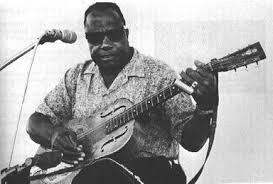
Bukka White was one of the most powerful and influential figures in the history of Delta blues. Known for his booming voice, aggressive slide guitar technique, and deeply personal songwriting, he helped shape the sound of rural Southern blues during the first half of the twentieth century. Born as Booker T. Washington White in Mississippi, he lived a life marked by hardship, imprisonment, labor, rediscovery, and artistic triumph. His music reflected the realities of African American life in the South and became an enduring part of the American musical tradition. Though he experienced only limited commercial success during his early years, later generations recognized him as one of the greatest country blues performers ever recorded.

Childhood
Booker T. Washington White was born on November 12, most likely in 1904 or 1906, near Houston, Mississippi. He grew up in a rural environment where music was a natural part of everyday life. His father, John White, worked for the railroad and was also a talented local musician who played several instruments, including the guitar, fiddle, mandolin, and piano. Recognizing his son’s interest in music, he gave young Booker a guitar when he was still a child.
White was named after the famous African American educator Booker T. Washington. From an early age, he absorbed the sounds of folk music, work songs, spirituals, and the emerging blues traditions of Mississippi. He first learned to entertain audiences by playing at local dances and social gatherings. These experiences laid the foundation for the distinctive musical style that would later make him famous.
Youth
As a teenager, White became increasingly involved in music and traveled throughout Mississippi seeking work and opportunities to perform. He married young, but tragedy struck when his first wife died from complications related to a ruptured appendix. The loss deeply affected him and contributed to the emotional depth that later characterized his songwriting.
During his travels, White encountered many of the musicians who were shaping the Delta blues tradition. He admired the legendary bluesman Charley Patton and aspired to achieve similar recognition. While working on farms in the Mississippi Delta, he continued developing his skills as a guitarist and singer. His performances became known for their intensity, rhythmic drive, and expressive slide guitar work.
In 1930, a local talent scout arranged for White to travel to Memphis, where he made his first recordings for Victor Records. Although only a few of these recordings were released, they marked the beginning of his professional career. His early recordings included both blues and gospel songs, demonstrating his versatility as a performer.
Adulthood
White’s professional breakthrough came in 1937 when he recorded “Shake ‘Em On Down” in Chicago for producer Lester Melrose. The song became a significant success and established him as an important blues recording artist. However, shortly after the recording session, his life took a dramatic turn.
Later that year, White was involved in a shooting incident that resulted in the death of a man. He was convicted and sentenced to imprisonment at Mississippi State Penitentiary, better known as Parchman Farm. During his incarceration, folklorist John Lomax visited the prison and recorded several performances by White for the Library of Congress. These recordings preserved some of his most authentic and emotionally powerful work.
After serving approximately two years, White was released and returned to Chicago in 1940. Producer Lester Melrose encouraged him to write original material, leading to one of the most productive periods of his career. He composed and recorded a series of songs inspired by his experiences in prison, personal struggles, and life in the South. These recordings are now considered among the finest examples of Delta blues ever produced.
In the early 1940s, White moved to Memphis, Tennessee. There he worked industrial jobs to support himself while continuing to perform music occasionally. During this period, his younger cousin, the future blues legend B.B. King, lived with him for a time. White helped introduce King to the Memphis music scene and provided encouragement during the early stages of his career.
The rise of new musical styles during the 1940s and 1950s reduced public interest in traditional country blues, and White spent many years outside the spotlight. However, the folk and blues revival of the 1960s brought renewed attention to his music. Interest increased further after Bob Dylan recorded a version of White’s “Fixin’ to Die Blues.” In 1963, blues enthusiasts John Fahey and Ed Denson successfully located White and helped relaunch his career. He began recording again, performing at festivals, and touring throughout North America and Europe. The revival introduced his music to a new generation of listeners and secured his place among the great blues masters.
Major Compositions
Shake ‘Em On Down (1937)
Often regarded as his signature recording, “Shake ‘Em On Down” combined infectious rhythm, memorable lyrics, and powerful guitar work. The song became a hit and remains one of the most influential Delta blues recordings ever made.
Parchman Farm Blues (1940)
Inspired by his imprisonment, this song provides a vivid account of life inside Mississippi’s notorious prison system. It remains one of the most important prison blues recordings in American music history.
Fixin’ to Die Blues (1940)
One of White’s most enduring compositions, the song explores themes of mortality, loneliness, and human vulnerability. Its later recording by Bob Dylan introduced White’s work to a much broader audience.
Po’ Boy
Recorded during his time at Parchman Farm, “Po’ Boy” became one of his most recognized songs and demonstrated his remarkable storytelling abilities.
Aberdeen Mississippi Blues
Named after the Mississippi region associated with much of his life, the song showcases White’s ability to blend autobiographical experiences with traditional blues themes.
Death
After continuing to perform and record throughout the 1960s and early 1970s, White’s health began to decline. He was diagnosed with cancer and spent his final years in Memphis, Tennessee.
Bukka White died on February 26, 1977. He left behind a musical legacy that would continue to inspire blues musicians, rock artists, and folk performers around the world. More than a decade after his death, he was posthumously inducted into the Blues Hall of Fame, recognizing his immense contribution to American music.
Conclusion
Bukka White’s life was a remarkable journey through some of the most challenging and transformative periods in American history. From his humble beginnings in rural Mississippi to his eventual recognition as a blues legend, he remained committed to expressing the realities of his experiences through music. His songs chronicled hardship, imprisonment, love, loss, faith, and perseverance with honesty and emotional power.
Today, Bukka White is remembered as one of the defining figures of Delta blues. His distinctive slide guitar style, commanding voice, and unforgettable compositions continue to influence musicians across multiple genres. His story stands as a testament to the resilience of the human spirit and the enduring power of the blues.
Comments are closed