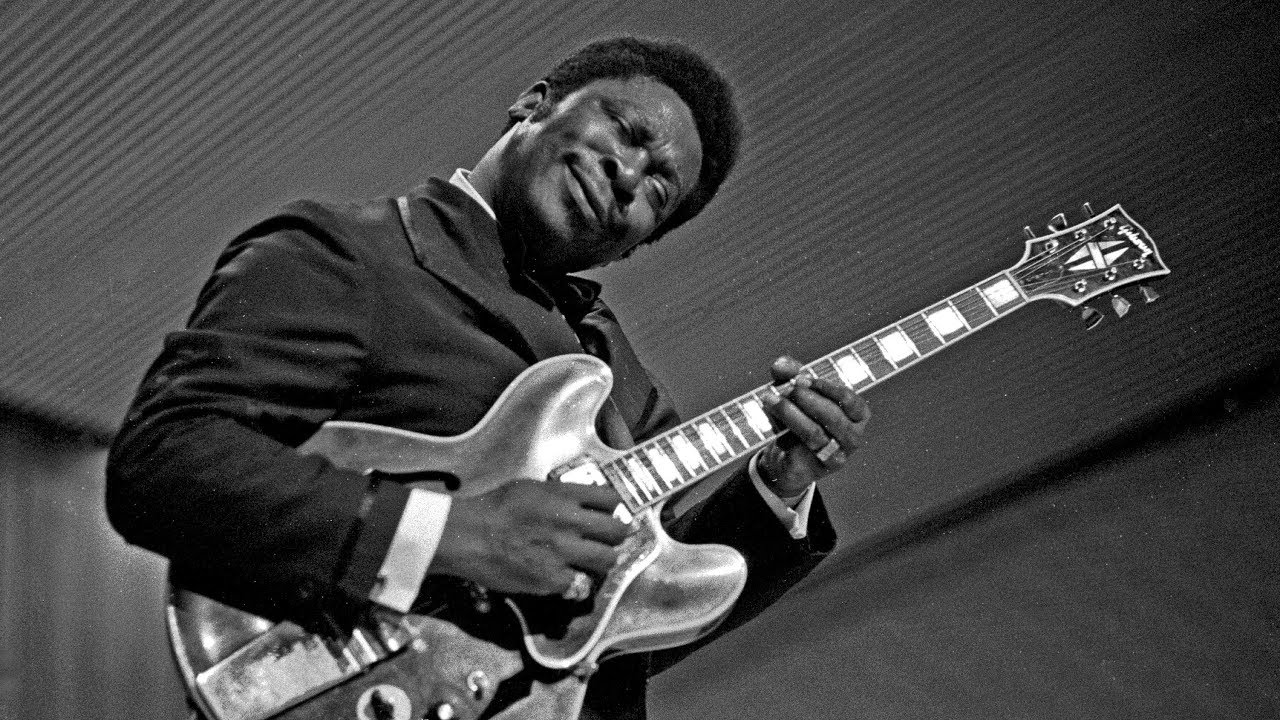
Introduction
Buster Benton was one of the most resilient and soulful figures in Chicago blues. A gifted guitarist, singer, and songwriter, he built a career that spanned four decades and bridged the worlds of traditional Chicago blues, soul-blues, and modern electric blues. Although he never achieved the commercial success of some of his contemporaries, Benton earned deep respect among musicians and blues enthusiasts for his passionate performances, expressive guitar playing, and unwavering determination in the face of severe health challenges. His signature recording, “Spider in My Stew,” remains a classic of modern Chicago blues, and his influence continues to be recognized long after his death.

Childhood
Buster Benton was born Arley Benton on July 19, 1932, in Texarkana, Arkansas. Growing up in the American South during the Great Depression, he was exposed to the rich musical traditions that flourished in African American communities. Like many blues musicians of his generation, he developed an appreciation for gospel music through church attendance and local community gatherings.
Music became an important part of his early life, and he was especially drawn to singing. Although details about his childhood remain limited, it is known that he grew up during a period when blues music was evolving rapidly, influenced by rural traditions and the growing migration of African Americans to northern cities. These cultural movements would later shape his own musical journey.
Youth
During the 1950s, Benton moved north in search of better economic opportunities, eventually spending time in Toledo, Ohio. It was there that he began developing his skills as a blues guitarist and vocalist. He drew inspiration from some of the era’s most influential performers, particularly B.B. King and Sam Cooke.
Benton quickly became immersed in the blues scene and worked diligently to refine his style. His guitar playing combined the emotional intensity of Chicago blues with elements of soul music that were becoming increasingly popular during the decade.
By 1959, Benton had relocated to Chicago, the city that would become his musical home. There he formed his own band and began performing in clubs throughout the city. Chicago was then one of the most important centers of blues music, providing Benton with opportunities to learn from established musicians and develop his own identity as a performer.
Adulthood
The 1960s proved challenging for Benton. Although he recorded several singles for small independent labels such as Melloway, Alteen, Sonic, and Twinight, commercial success remained elusive. The declining popularity of blues music during parts of the decade forced many musicians to seek alternative employment, and Benton temporarily stepped away from full-time music to work as an automobile mechanic.
His fortunes began to improve in the early 1970s when he joined the band of legendary bassist, songwriter, and producer Willie Dixon. As a member of Willie Dixon’s Blues All-Stars, Benton gained valuable exposure and performed alongside some of the finest musicians in Chicago blues. He also appeared on recordings associated with Dixon’s ensemble and became a respected figure within the blues community.
A major breakthrough came with the release of “Spider in My Stew,” a song written by Willie Dixon and recorded by Benton. The track earned him widespread recognition among blues audiences and became his signature performance. Its success was followed by “Money Is the Name of the Game,” which further strengthened his reputation. These recordings showcased his distinctive vocal style and powerful guitar work.
In 1978, Benton released the album Spider in My Stew, which many critics regard as his finest work. The album blended traditional blues elements with contemporary rhythms and helped keep Chicago blues relevant during a period when the genre struggled commercially. Additional albums followed, including Buster Benton Is the Feeling, First Time in Europe, Why Me, Money’s the Name of the Game, and I Like to Hear My Guitar Sing.
Throughout the 1980s and early 1990s, Benton toured extensively and continued recording. Despite never becoming a mainstream star, he developed a loyal following among blues fans in both the United States and Europe. His performances were known for their emotional honesty and energetic delivery.
Major Compositions and Recordings
Although Buster Benton is best remembered as a performer and interpreter of blues material, he also contributed original songs and memorable recordings that became staples of his catalog.
Spider in My Stew
This remains Benton’s most famous recording. Written by Willie Dixon, the song became closely associated with Benton and established him as a significant figure in modern Chicago blues. Its slow groove, expressive vocals, and memorable lyrics made it a blues classic.
Money Is the Name of the Game
Released as a follow-up to “Spider in My Stew,” this recording reinforced Benton’s growing reputation and became one of his most recognized performances.
Born With the Blues
One of Benton’s most admired later recordings, the song demonstrated his mature vocal style and featured collaborations with respected blues musicians. It remains popular among blues enthusiasts.
I Like to Hear My Guitar Sing
This recording highlighted Benton’s skill as both a guitarist and vocalist and reflected the deep emotional connection he maintained with his instrument throughout his career.
Other Notable Albums
- Spider in My Stew (1978)
- Blues Buster (1979)
- Buster Benton Is the Feeling (1980)
- First Time in Europe (1983)
- Why Me (1988)
- Money’s the Name of the Game (1989)
- I Like to Hear My Guitar Sing (1991)
- Blues at the Top (1993)
Death
In the final years of his life, Benton faced serious health problems caused by diabetes. The disease led to poor circulation, resulting in the amputation of portions of both legs. He also required kidney dialysis. Despite these severe physical challenges, Benton refused to abandon music and continued performing whenever possible.
His determination became legendary among fellow musicians and fans. Even while dealing with chronic illness and disability, he remained committed to the blues and continued appearing at festivals, clubs, and recording sessions.
Buster Benton died on January 20, 1996, in Chicago, Illinois, at the age of 63. The cause of death was complications related to diabetes. His passing marked the end of a remarkable career characterized by perseverance, dedication, and a profound love for the blues.
Conclusion
Buster Benton occupies a unique place in blues history. While he never achieved the celebrity status of artists such as Muddy Waters, Howlin’ Wolf, or Buddy Guy, he earned admiration through authenticity, musicianship, and extraordinary resilience.
His recordings captured the spirit of Chicago blues during a period of transition, and his performances demonstrated a rare combination of emotional depth and technical skill. Most importantly, his refusal to stop performing despite severe health challenges made him a symbol of determination within the blues community.
Today, Buster Benton is remembered as a dedicated artist whose music continues to resonate with listeners who appreciate genuine blues expression. His legacy lives on through his recordings, his influence on later blues musicians, and the enduring popularity of songs such as “Spider in My Stew,” which remains one of the finest examples of modern Chicago blues.
Comments are closed