Introduction
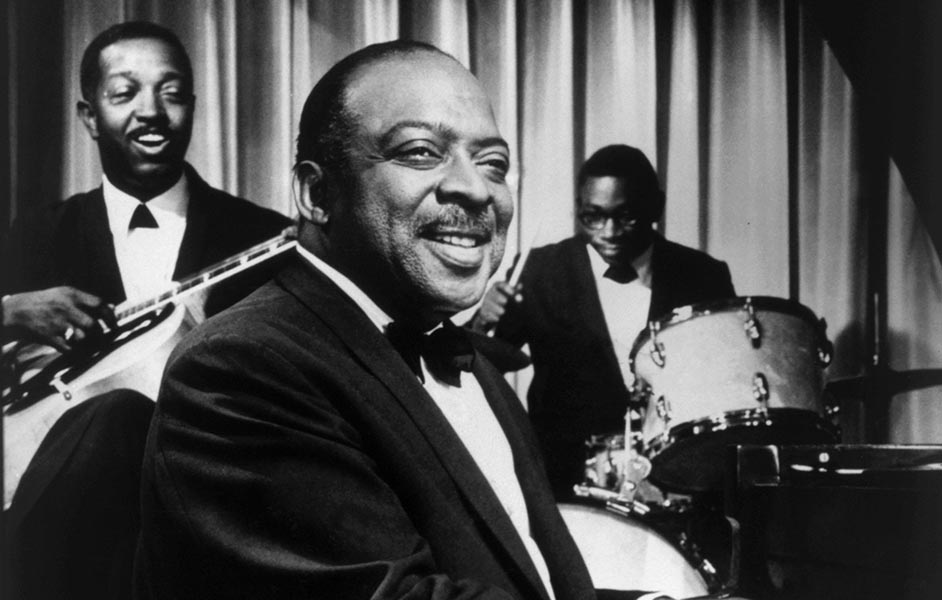
Count Basie was one of the most influential figures in the history of American jazz and blues-influenced big band music. As a pianist, bandleader, composer, and arranger, he helped define the sound of the Swing Era and left an enduring mark on twentieth-century music. Known for his economical piano style, sophisticated sense of rhythm, and leadership of one of the greatest jazz orchestras ever assembled, Basie became a symbol of musical excellence and innovation. Throughout a career spanning more than five decades, he introduced countless listeners to the vibrant sounds of jazz while inspiring generations of musicians.
Childhood
Count Basie was born William James Basie on August 21, 1904, in Red Bank, New Jersey. He grew up in a modest but supportive household. His father, Harvey Lee Basie, worked as a coachman and handyman, while his mother, Lillian Basie, was a pianist who gave music lessons in the community.
Basie’s earliest exposure to music came through his mother, who taught him basic piano techniques. She recognized his talent and encouraged him to practice regularly. As a child, he displayed a natural aptitude for music and quickly developed an interest in performing.
Red Bank provided a rich cultural environment despite its small size. Basie frequently attended local performances and became fascinated by the growing popularity of ragtime and early jazz. He also spent considerable time in local theaters, where he became interested in the role of music in entertainment. These experiences laid the foundation for his future career.
Youth
During his teenage years, Basie became increasingly involved in music. He initially considered a career as a drummer but eventually focused on the piano. Influenced by the stride piano tradition, particularly the work of Fats Waller and James P. Johnson, Basie developed impressive technical skills and a distinctive sense of rhythm.
In the early 1920s, he left New Jersey and traveled throughout the United States as a touring musician. During this period, he performed in vaudeville shows and accompanied singers and dancers. These experiences exposed him to a wide variety of musical styles and helped him build valuable professional connections.
A major turning point occurred when Basie settled in Kansas City, Missouri, one of the most vibrant jazz centers in America. There he joined Walter Page’s Blue Devils and later became associated with the Bennie Moten Orchestra. Kansas City’s thriving nightlife and improvisational jazz culture profoundly shaped Basie’s musical outlook. He learned the importance of groove, spontaneity, and ensemble playing, qualities that would later define his own orchestra.
Adulthood
Following the death of Bennie Moten in 1935, Basie organized his own band, which soon became known as the Count Basie Orchestra. The group gained national attention through radio broadcasts from Kansas City and attracted the interest of producer John Hammond, who helped introduce the band to audiences across the country.
The Count Basie Orchestra quickly became one of the leading ensembles of the Swing Era. Its success was built upon exceptional musicianship, innovative arrangements, and a powerful rhythm section that became famous as the “All-American Rhythm Section.” This group established new standards for swing performance and influenced countless jazz ensembles.
During the late 1930s and 1940s, Basie’s orchestra featured many outstanding soloists, including Lester Young, Buck Clayton, Harry Edison, and Jo Jones. Their recordings demonstrated a remarkable balance between tightly organized arrangements and creative improvisation.
Like many big bands, Basie’s orchestra faced financial challenges during the postwar years. However, rather than disappear, Basie adapted to changing musical tastes. In the 1950s he reorganized his ensemble into what became known as the “New Testament” band, a more polished and powerful orchestra that achieved renewed success.
Throughout the following decades, Basie collaborated with many major artists, including Frank Sinatra, Ella Fitzgerald, Sarah Vaughan, Tony Bennett, and Sammy Davis Jr. These partnerships expanded his audience and further cemented his reputation as one of America’s premier bandleaders.
Basie received numerous honors during his lifetime, including multiple Grammy Awards and widespread recognition from both the music industry and academic institutions. His orchestra continued touring internationally, bringing jazz to audiences around the world.
Major Compositions
Although Basie was often celebrated as a bandleader and pianist, he also contributed significantly as a composer and co-composer. Several works associated with him became jazz standards and remain widely performed today.
One O’Clock Jump
First recorded in 1937, “One O’Clock Jump” became Basie’s signature composition. Built around a series of memorable riffs and improvisational sections, the piece exemplified the Kansas City jazz style and remains one of the most recognizable recordings of the Swing Era.
Jumpin’ at the Woodside
Another major success, “Jumpin’ at the Woodside” captured the energy and excitement of Basie’s orchestra. Its driving rhythm and vibrant solos helped establish it as a classic of big band jazz.
Every Tub
This composition demonstrated Basie’s talent for creating infectious swing arrangements that emphasized rhythmic momentum and ensemble interplay.
Blues in Hoss’ Flat
Recorded during the 1950s, “Blues in Hoss’ Flat” showcased the sophistication of Basie’s later orchestra and highlighted his enduring connection to the blues tradition.
April in Paris
Although not originally composed by Basie, his orchestra’s recording of “April in Paris” became one of the most celebrated interpretations of the piece. The recording remains closely associated with his legacy.
Beyond these works, Basie participated in the creation and development of numerous compositions that enriched the jazz repertoire and demonstrated the artistic possibilities of large ensemble performance.
Death
Count Basie remained active in music well into his later years despite experiencing health problems. He continued to perform, record, and lead his orchestra, demonstrating remarkable dedication to his craft.
On April 26, 1984, Count Basie died of pancreatic cancer in Hollywood, Florida, at the age of seventy-nine. His death marked the end of one of the most significant careers in American music history.
Following his passing, tributes poured in from musicians, critics, and admirers worldwide. Many recognized that Basie had not only contributed to the development of jazz but had also helped shape the broader landscape of American popular music.
Conclusion
Count Basie stands among the greatest figures in jazz history. From his humble beginnings in New Jersey to international fame as a bandleader, he transformed the sound of swing and helped establish the big band as one of America’s most important musical institutions. His orchestra nurtured extraordinary talent, his recordings defined an era, and his influence continues to resonate throughout modern jazz.
More than four decades after his death, Basie’s music remains vibrant and relevant. His commitment to rhythm, elegance, and musical excellence created a legacy that continues to inspire performers and audiences around the world. Through his recordings, compositions, and leadership, Count Basie secured a permanent place among the giants of American music.
Comments are closed