Introduction
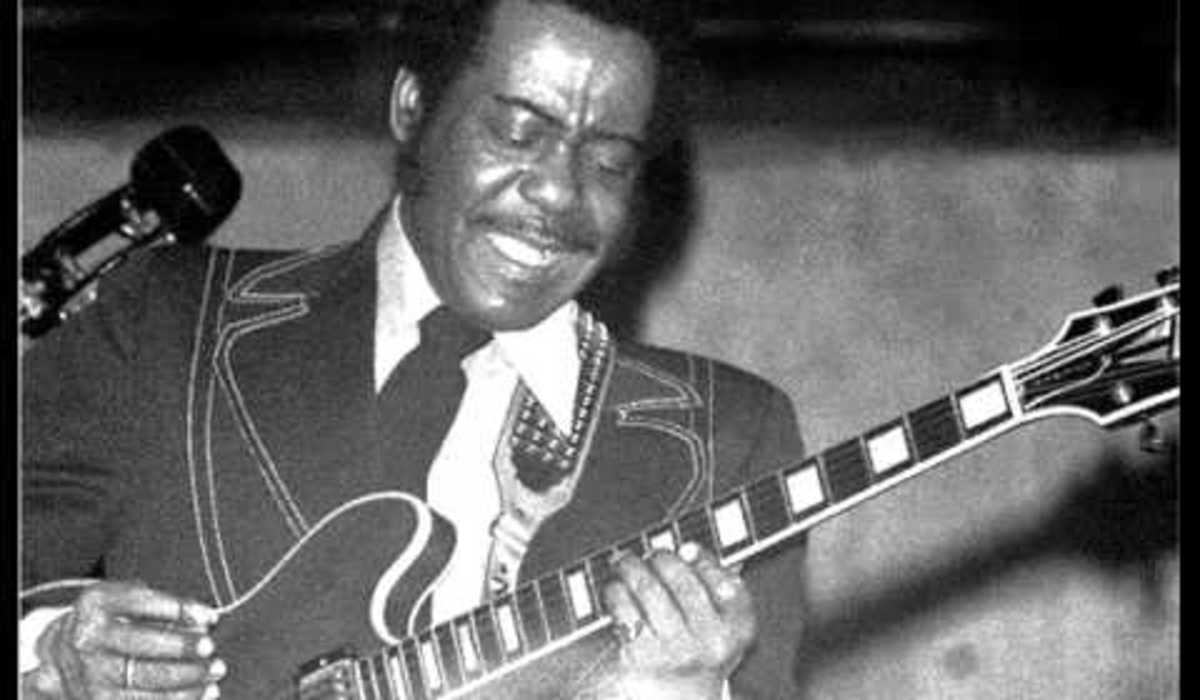
Eddie Taylor was one of the most influential yet often underappreciated figures in the history of Chicago blues. Born Edward Taylor on January 29, 1923, in Benoit, Mississippi, he became a master guitarist whose rhythmic style helped shape the sound of postwar electric blues. Although he never achieved the widespread fame of some of his contemporaries, Taylor played a crucial role in the careers of many legendary musicians, especially Jimmy Reed. His precise guitar work, deep understanding of Delta blues traditions, and exceptional versatility earned him the respect of fellow musicians and historians alike. Today, he is recognized as one of the architects of the Chicago blues sound.

Childhood
Edward Taylor was born into a rural environment in the Mississippi Delta, a region that served as the birthplace of the blues. Growing up in Benoit, he was surrounded by the rich musical traditions of the Delta and became fascinated by the sounds of local blues musicians from an early age.
As a young boy, Taylor learned to play guitar and was strongly influenced by legendary Delta artists such as Charley Patton, Son House, Big Joe Williams, and Robert Johnson. He developed his skills through observation, practice, and participation in local musical gatherings. The guitar quickly became the center of his life, providing both artistic expression and a connection to the culture of the Mississippi Delta.
Taylor spent much of his youth performing in juke joints and informal venues around the towns of Leland and Clarksdale. These early experiences gave him a strong foundation in traditional blues and helped shape the distinctive style that would later become famous in Chicago.
Youth
During his teenage years and early adulthood, Taylor became an active participant in the local blues scene. One of the most important relationships of his youth was his friendship with Jimmy Reed. The two grew up in the same region, and Taylor helped Reed learn to play guitar. Their friendship would eventually have a profound impact on blues history.
In the 1940s, Taylor left Mississippi and spent time in Memphis before relocating to Chicago. Like many African Americans during the Great Migration, he moved north in search of better economic opportunities and a more promising future. Chicago was rapidly becoming a center for blues music, and Taylor arrived at a time when the genre was undergoing a transformation from acoustic Delta blues to electrified urban blues.
The move allowed him to combine his Delta roots with the emerging sounds of Chicago, creating a style that was both traditional and modern.
Adulthood
Taylor’s professional career flourished after his arrival in Chicago. Although he recorded as a solo artist, he became best known as the principal guitarist and musical partner of Jimmy Reed. His steady rhythm guitar and precise timing were essential components of Reed’s signature sound and appeared on many of Reed’s most successful recordings during the 1950s and early 1960s.
Beyond his work with Reed, Taylor performed and recorded with numerous blues legends, including John Lee Hooker, Big Walter Horton, Sunnyland Slim, Sam Lay, and other prominent figures of the Chicago blues scene. His reputation among musicians was extraordinary. Many regarded him as one of the most dependable and skilled guitarists in blues music.
During the 1950s, Taylor recorded several singles for Vee-Jay Records. Although these releases achieved only modest commercial success, they demonstrated his talents as both a guitarist and vocalist. Throughout the 1970s, he experienced renewed recognition as interest in traditional blues grew in Europe and the United States. He toured internationally, recorded new albums, and participated in blues festivals that introduced his music to new audiences.
Despite his accomplishments, Taylor remained humble and never actively sought celebrity status. He focused on musicianship rather than promotion, earning admiration from fellow performers who recognized his immense contribution to the genre.
Major Compositions
Although Eddie Taylor is often remembered for his work as a sideman, he also produced a number of notable recordings as a bandleader. Among his most significant compositions and recordings are:
“Big Town Playboy”
This song became Taylor’s best-known recording and remains a Chicago blues classic. Its memorable rhythm and confident vocal delivery showcased his abilities as both a singer and guitarist.
“Bad Boy”
Another notable release from the Vee-Jay period, “Bad Boy” became popular among blues audiences and highlighted Taylor’s distinctive guitar style.
“I Feel So Bad”
This song later became the title track of one of his most acclaimed albums. It demonstrated his mastery of traditional blues themes and his expressive vocal approach.
“Ready for Eddie”
Associated with his 1970s comeback period, this recording reflected the maturity of his musicianship and helped introduce him to a new generation of blues listeners.
“You’ll Always Have a Home”
Recorded in collaboration with fellow musicians during his later career, this song showcased Taylor’s continuing creativity and adaptability.
In addition to these works, Taylor’s contributions to Jimmy Reed’s catalog were enormous. His guitar playing became an integral part of many recordings that are now considered blues standards.
Death
Eddie Taylor died on December 25, 1985, in Chicago, Illinois, at the age of sixty-two. His death marked the end of a remarkable career that had spanned several decades and helped define the sound of Chicago blues.
He was buried in Restvale Cemetery in Alsip, Illinois. Two years after his death, his contributions received formal recognition when he was inducted into the Blues Hall of Fame in 1987.
Taylor’s musical legacy continued through his family. His son, Eddie Taylor Jr., became a respected blues guitarist, while his daughter Demetria Taylor established herself as a successful blues singer. His stepson Larry Taylor also became an accomplished blues musician.
Conclusion
Eddie Taylor occupies a unique place in American music history. While he may never have achieved the commercial success of some of his peers, his influence on blues music is undeniable. As a guitarist, bandleader, accompanist, and mentor, he helped shape the evolution of Chicago blues during one of its most important periods.
His partnership with Jimmy Reed helped create one of the most recognizable sounds in blues history, while his own recordings demonstrated exceptional musicianship and artistic integrity. Today, scholars, musicians, and blues enthusiasts continue to celebrate Eddie Taylor as one of the genre’s true architects—a master guitarist whose work laid the foundation for generations of blues performers.
Comments are closed