Introduction
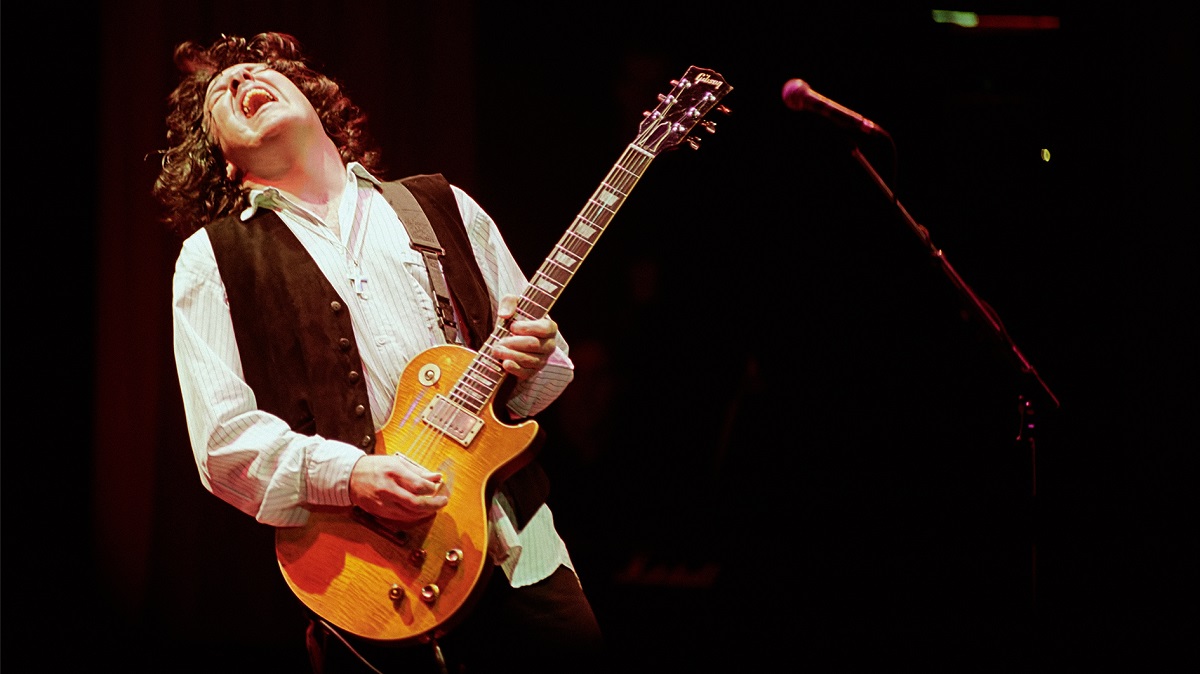
Gary Moore was one of the most accomplished and versatile guitarists in modern music. Born in Northern Ireland, he built a career that spanned more than four decades and crossed multiple genres, including blues, blues rock, hard rock, heavy metal, and jazz fusion. Although he achieved commercial success in several musical styles, he is most widely remembered for his passionate blues playing, expressive guitar tone, and technical mastery.
Throughout his career, Moore performed both as a solo artist and as a member of influential bands such as Skid Row, Thin Lizzy, and Colosseum II. His ability to combine virtuoso technique with deep emotional expression earned him a reputation as one of the greatest guitarists of his generation. Songs such as Parisienne Walkways, Still Got the Blues, and Out in the Fields became enduring classics and helped establish his legacy as a leading figure in blues-rock music.
Childhood
Robert William Gary Moore was born on April 4, 1952, in Belfast, Northern Ireland. He grew up in a working-class family with four siblings. His father, Robert Moore, worked as a concert promoter and exposed young Gary to live music from an early age. This environment played a significant role in developing his interest in popular music.
Moore received his first guitar at the age of ten. Initially, he learned by listening to records and attempting to imitate the sounds he heard. Artists such as Elvis Presley and The Beatles made a strong impression on him during his childhood. As he became more interested in guitar playing, he discovered the music of blues musicians and British blues-rock artists.
One of the most important influences on the young Moore was guitarist Peter Green, founder of Fleetwood Mac. Green’s melodic style and emotional phrasing left a lasting impact on Moore, who would later pay tribute to him through recordings and performances.
Youth
During his teenage years, Moore dedicated himself almost entirely to music. By the age of fourteen, he had acquired his first electric guitar and was spending countless hours practicing. The political tensions and social unrest that characterized Northern Ireland during the late 1960s also influenced his decision to leave Belfast.
At sixteen, Moore moved to Dublin, Ireland, where he pursued a professional music career. There he joined the Irish blues-rock band Skid Row. During his time with the group, he met bassist and vocalist Phil Lynott, who would become one of his closest friends and most important collaborators.
Skid Row quickly gained attention for Moore’s exceptional guitar skills. The band secured a recording contract and released successful albums that helped establish Moore as a rising talent in the rock world. During this period, Peter Green personally supported Moore’s career and even sold him his famous 1959 Gibson Les Paul guitar, an instrument that would become closely associated with Moore’s sound.
By the early 1970s, Moore had already developed a reputation as a guitar prodigy and one of the most promising young musicians in Ireland and the United Kingdom.
Adulthood
After leaving Skid Row, Moore briefly focused on his solo career before joining Thin Lizzy in 1974 at the invitation of Phil Lynott. Although his first stay with the band was short, he contributed to the song Still in Love with You, which later became one of Thin Lizzy’s most beloved tracks.
Following his departure from Thin Lizzy, Moore joined the jazz-fusion group Colosseum II. The experience expanded his musical vocabulary and allowed him to demonstrate his remarkable technical abilities. He later returned to Thin Lizzy several times, most notably for the album Black Rose: A Rock Legend in 1979.
Moore’s solo career truly flourished in the late 1970s. His breakthrough came with the release of Parisienne Walkways, a collaboration with Phil Lynott that became a major hit in the United Kingdom. The song showcased Moore’s lyrical guitar style and established him as a successful solo artist.
During the 1980s, Moore embraced hard rock and heavy metal. Albums such as Corridors of Power, Victims of the Future, Run for Cover, Wild Frontier, and After the War achieved international success. His music combined powerful guitar work with memorable melodies and frequently incorporated Celtic influences.
Despite his success in hard rock, Moore never abandoned his love for the blues. In 1990 he released Still Got the Blues, an album that marked a return to his musical roots. The record became the most successful release of his career and introduced him to a new global audience. It featured collaborations with legendary blues musicians including B.B. King, Albert King, and Albert Collins.
Throughout the 1990s and 2000s, Moore continued to record and tour extensively. He released acclaimed albums such as After Hours, Blues for Greeny, Back to the Blues, Power of the Blues, and Bad for You Baby. His performances remained highly respected for their intensity, emotional depth, and technical excellence.
Major Compositions
Parisienne Walkways (1978)
Perhaps Moore’s most iconic guitar composition, Parisienne Walkways became a major hit and remains famous for its emotional melody and sustained guitar notes. The song is widely considered one of the finest instrumental-driven rock ballads ever recorded.
Out in the Fields (1985)
Recorded with Phil Lynott, this powerful rock anthem addressed themes of conflict and war. It became one of Moore’s most commercially successful singles and remains a fan favorite.
Empty Rooms (1984)
A melodic and emotionally charged rock ballad, Empty Rooms demonstrated Moore’s ability to blend technical guitar playing with accessible songwriting.
Wild Frontier (1987)
The title track of the album Wild Frontier showcased Moore’s interest in Celtic musical traditions while maintaining his hard-rock style.
Still Got the Blues (1990)
This song became Moore’s signature blues composition and his most internationally recognized recording. Its soulful vocals and expressive guitar solo established him as one of the leading blues artists of the modern era.
Walking by Myself (1990)
A lively blues-rock track that became a staple of Moore’s live performances and demonstrated his mastery of traditional blues forms.
The Loner (1987)
An instrumental composition that highlighted Moore’s exceptional ability to convey emotion through the guitar alone. It remains one of the most admired pieces in his catalog.
Blues for Greeny (1995)
The title track from his tribute album to Peter Green reflected Moore’s deep respect for his mentor and showcased his mature blues style.
Death
On February 6, 2011, Gary Moore died in his sleep while staying at a hotel in Estepona, Spain. He was fifty-eight years old. An autopsy determined that the cause of death was a heart attack.
The news of his passing shocked the music world. Tributes poured in from fellow musicians, critics, and fans across the globe. Many guitarists cited Moore as a major influence, praising both his technical brilliance and emotional authenticity.
Moore was buried in a private ceremony attended by family members and close friends. His death marked the end of one of the most remarkable careers in blues-rock history, but his music continues to inspire new generations of musicians.
Conclusion
Gary Moore occupies a unique place in the history of modern guitar music. Few artists have successfully navigated as many genres while maintaining such a distinctive musical identity. Whether performing hard rock, heavy metal, jazz fusion, or traditional blues, he consistently displayed extraordinary skill, passion, and originality.
His greatest achievement was his ability to make the guitar speak with a deeply human voice. Technical mastery alone does not explain his enduring appeal; it was the emotional sincerity of his playing that connected with audiences worldwide.
More than a decade after his death, Gary Moore remains celebrated as one of the finest guitarists ever to emerge from the British Isles. His recordings continue to influence musicians, and his legacy lives on through timeless works such as Parisienne Walkways, Out in the Fields, and Still Got the Blues. His contribution to blues and rock music remains both significant and enduring.
Comments are closed