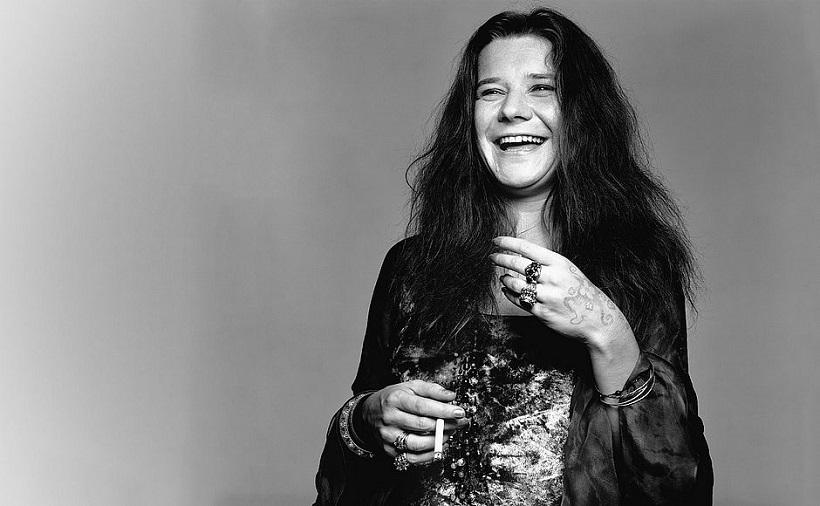
Janis Joplin: A Biography
Introduction
Janis Lyn Joplin was one of the most influential singers in the history of American blues and rock music. Renowned for her emotionally charged performances, unmistakable raspy voice, and fearless stage presence, she became an icon of the counterculture movement of the 1960s. Although her professional career lasted only a few years, her impact on popular music has endured for generations.
Joplin brought the passion of traditional blues into mainstream rock, creating a style that was both deeply personal and universally powerful. Her interpretations of blues, soul, folk, and rock songs transformed familiar compositions into unforgettable performances. Her life reflected both extraordinary artistic success and personal struggles, making her one of the defining figures of twentieth-century American music.
Childhood
Janis Lyn Joplin was born on January 19, 1943, in Port Arthur, Texas. She was the eldest child of Seth Ward Joplin, an engineer employed by Texaco, and Dorothy Bonita Joplin, a college registrar. Raised in a middle-class household, she demonstrated artistic talent and intellectual curiosity from an early age.
As a child, Joplin developed an interest in painting, literature, and music. She was especially drawn to blues recordings by artists such as Bessie Smith, Lead Belly, Odetta, and Big Mama Thornton. These musicians profoundly influenced her musical identity and inspired the emotional intensity that later became her trademark.
Growing up in conservative Port Arthur proved difficult. Joplin often felt like an outsider because of her unconventional appearance, independent personality, and progressive views on race and culture. She experienced frequent bullying during her school years, experiences that deeply affected her self-esteem and remained with her throughout her life.
Youth
After graduating from high school, Joplin attended Lamar State College of Technology before transferring to the University of Texas at Austin. While in Austin, she became active in the local folk and blues music scene, performing at coffeehouses and developing a reputation for her distinctive voice.
Feeling constrained by conventional expectations, she left college and traveled to San Francisco in 1963. There she immersed herself in the city’s growing folk and counterculture communities. During this period, she experimented with drugs and alcohol, struggled financially, and briefly returned to Texas after friends became concerned about her health.
In 1966, Joplin received an invitation to return to San Francisco to become the lead singer of the psychedelic rock band Big Brother and the Holding Company. This decision transformed her life and marked the beginning of her national career.
Adulthood
Joplin and Big Brother and the Holding Company gained widespread attention after their electrifying performance at the Monterey International Pop Festival in 1967. Her rendition of “Ball and Chain” captivated audiences and critics alike, establishing her as one of the festival’s breakout stars.
The band’s second album, Cheap Thrills (1968), became a commercial success. Songs such as “Piece of My Heart,” “Summertime,” and “Ball and Chain” showcased Joplin’s extraordinary vocal power and emotional honesty. Her ability to reinterpret blues standards and contemporary songs distinguished her from other rock singers of the era.
Seeking greater artistic freedom, Joplin left Big Brother later in 1968 and formed the Kozmic Blues Band. With this group she released I Got Dem Ol’ Kozmic Blues Again Mama! in 1969. Although the album received mixed reviews, it demonstrated her interest in combining blues, soul, R&B, and brass arrangements.
Joplin performed at the Woodstock Music and Art Fair in 1969, one of the defining events of the counterculture movement. Despite later expressing dissatisfaction with her own performance, the appearance further solidified her reputation as one of rock’s premier live performers.
In 1970 she assembled the Full Tilt Boogie Band, widely regarded as the strongest backing group of her career. Together they recorded Pearl, an album that displayed greater musical maturity and featured a more polished yet emotionally powerful sound. Tragically, the album was not released until after her death.
Throughout her success, Joplin struggled with loneliness, insecurity, and substance abuse. Despite periods of sobriety and repeated attempts to overcome addiction, these personal battles increasingly affected her life.
Major Compositions
Although Janis Joplin was best known as an interpreter rather than a prolific songwriter, several recordings became closely identified with her and remain among the most celebrated performances in rock history.
“Piece of My Heart” became her signature recording with Big Brother and the Holding Company. Her emotionally explosive interpretation transformed the song into one of the defining anthems of the late 1960s.
“Ball and Chain,” originally written and performed by Big Mama Thornton, showcased Joplin’s remarkable ability to channel the emotional depth of classic blues through extended live performances.
“Summertime,” George Gershwin’s classic composition, was reimagined by Joplin with haunting intensity, demonstrating her ability to reinterpret familiar works in a uniquely personal style.
“Cry Baby” highlighted her extraordinary vocal range and expressive power, becoming one of her most memorable recordings.
“Mercedes Benz,” an original song co-written by Joplin, Michael McClure, and Bob Neuwirth, was recorded a cappella only days before her death. Its satirical lyrics and spontaneous performance remain among the most recognizable recordings of her career.
“Me and Bobby McGee,” written by Kris Kristofferson and Fred Foster, became her only number-one single after its posthumous release. Her heartfelt interpretation remains one of the definitive versions of the song.
Death
On October 4, 1970, Janis Joplin was found dead in her room at the Landmark Motor Hotel in Hollywood, California. She was twenty-seven years old.
The official cause of death was an accidental heroin overdose, with alcohol also contributing to the fatal incident. Her death occurred while she was completing the recording sessions for Pearl. One planned vocal recording, “Buried Alive in the Blues,” was never completed and was released as an instrumental on the album.
Joplin’s passing came only weeks after the death of guitarist Jimi Hendrix and preceded the deaths of Jim Morrison and Kurt Cobain by years, contributing to the cultural notion of the “27 Club,” a term describing influential musicians who died at the age of twenty-seven.
Her family held a private funeral, and her ashes were scattered over the Pacific Ocean near California.
Conclusion
Although Janis Joplin’s recording career lasted only about four years, her influence on music has been extraordinary. She challenged expectations for female performers in rock music, demonstrating that emotional vulnerability, vocal intensity, and artistic independence could coexist in a commanding stage presence.
Her recordings continue to inspire singers across blues, rock, soul, and Americana. Artists from multiple generations have cited her as a major influence, praising her authenticity and fearless emotional expression.
Joplin received numerous posthumous honors, including induction into the Rock and Roll Hall of Fame, a Grammy Lifetime Achievement Award, and recognition as one of the greatest singers in the history of popular music. More than five decades after her death, her voice remains a symbol of artistic freedom, emotional honesty, and the enduring power of the blues.
Comments are closed