Freddie King – A Complete Biography
Introduction
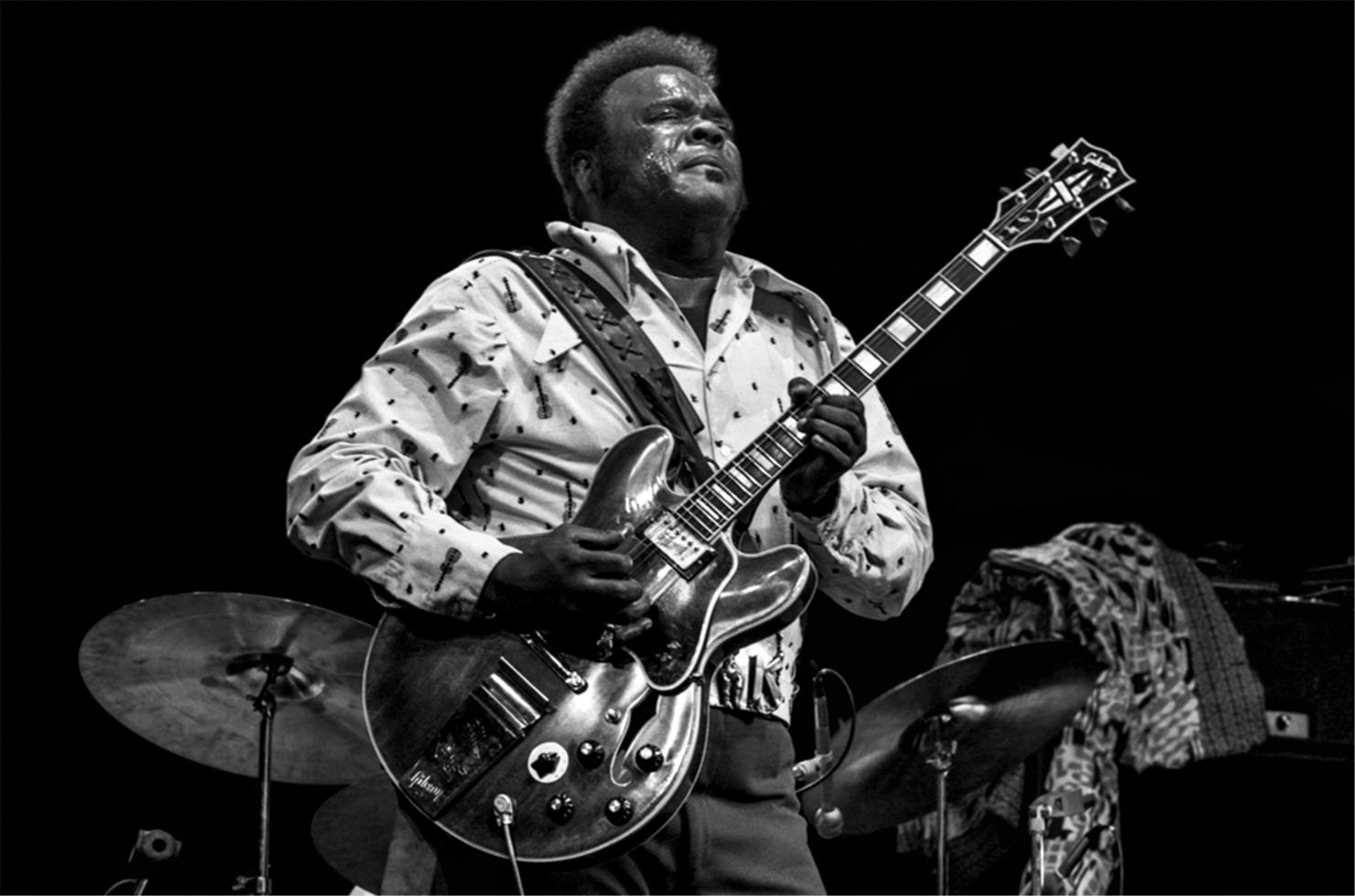
Freddie King (1934–1976) — often called the “Texas Cannonball” — fused Texas bite and Chicago muscle into a modern electric-blues language that galvanized both U.S. and British players. His searing thumb-and-finger attack, booming voice, and explosive stagecraft shaped generations of guitarists from Eric Clapton to Peter Green and Mick Taylor. His 1961 instrumentals “Hide Away” and “San-Ho-Zay” broke through to the pop charts at a time when few blues records did. In 2012, he was inducted into the Rock & Roll Hall of Fame.
Childhood
Freddie King was born Freddie Christian on September 3, 1934, in Gilmer, Texas, to J.T. Christian and Ella Mae King. Taught guitar by his mother and his uncle Leon King, he absorbed the rural Texas blues idiom from an early age.
Youth
At sixteen (1950) King moved with his mother to Chicago, took a job in a steel mill, and dove into the city’s South and West Side club scenes. He formed his first band, the Every Hour Blues Boys, and made early studio appearances with Little Sonny Cooper and Earlee Payton on the Parrot label after Chess Records initially passed on him. These years forged his hybrid style, blending Texas lyricism with Chicago punch.
Adulthood
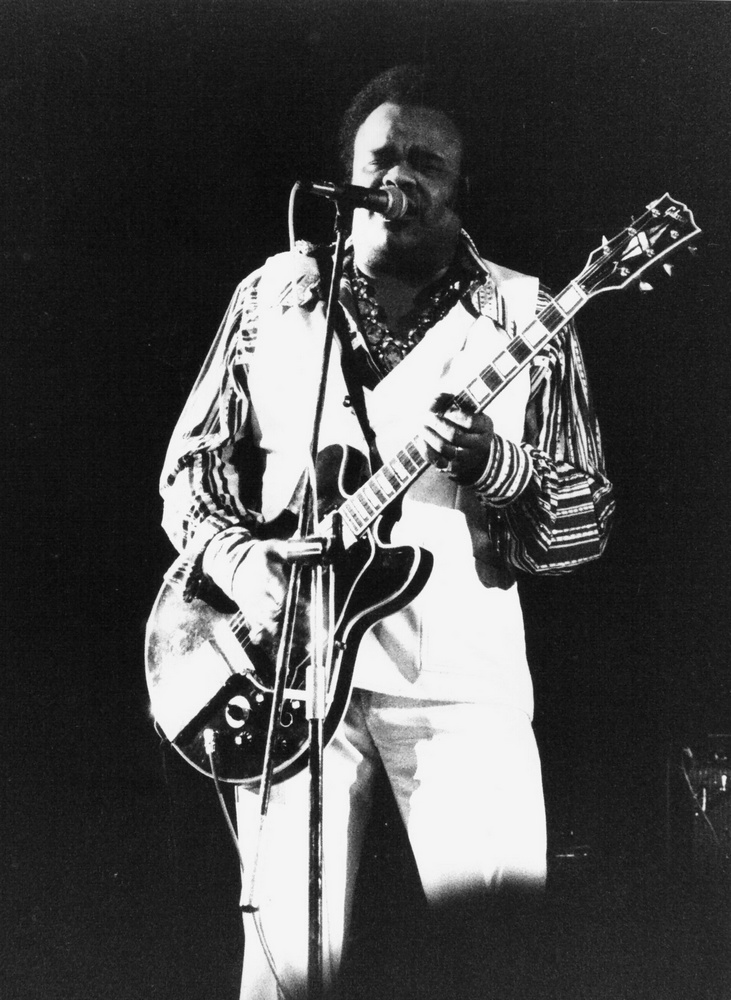
In 1960 A&R man/pianist Sonny Thompson brought King to King Records’ Federal imprint. The very next year, “Hide Away” hit the charts, an almost unheard-of crossover for a blues instrumental; “San-Ho-Zay” soon followed, and a raft of hook-driven instrumentals (“The Stumble,” “Sen-Sa-Shun,” “Side Tracked”) made him a national touring force.
By the late 1960s King recorded for Atlantic/Cotillion (including Freddie King Is a Blues Master and My Feeling for the Blues), then relaunched spectacularly with Shelter Records (co-produced with Leon Russell) on Getting Ready… (1971), Texas Cannonball (1972), and Woman Across the River (1973). His Shelter period yielded the definitive cut of Don Nix’s “Goin’ Down,” a concert staple that showcased King’s volcanic phrasing. He later issued Burglar (1974) and Larger Than Life (1975) on RSO amid near-constant touring that intensified his international profile.
King’s impact on UK blues-rock was immediate: Clapton (with John Mayall’s Bluesbreakers), Peter Green, Jeff Beck, and Mick Taylor all absorbed his taut melodies and stinging treble bite. His nickname “Texas Cannonball” reflected both his physical presence and onstage ferocity.
Major compositions (signature recordings)
While many of his classics were recordings rather than formal compositions, King left a canon every blues band learns first:
- “Hide Away” (1960/61) — a blues-guitar standard and one of the Rock Hall’s “Songs That Shaped Rock & Roll.”
- “San-Ho-Zay” (1961) — another instrumental hit that cemented King’s hook-centric approach.
- “The Stumble” (1961) — a rite of passage for electric-blues soloists.
- “I’m Tore Down” (1961) — a Sonny Thompson tune that highlighted King’s powerful vocals.
- “Have You Ever Loved a Woman” (1960) — later a touchstone for Clapton and British blues.
- “Goin’ Down” (1971) — written by Don Nix and cut on Getting Ready…; became King’s roaring 1970s signature.
Death
Relentless touring took a heavy toll on King’s health. He died in Dallas, Texas, on December 28, 1976, at just 42. Contemporary and label accounts cite a combination of ailments — notably heart failure, bleeding ulcers, and pancreatitis — while other references mention hepatitis among the complications reported at the time.
Conclusion
Freddie King’s legacy rests on more than pyrotechnics: he married concise, singable guitar hooks to a commanding vocal presence, making blues vocabulary legible to rock audiences without diluting its grit. His Rock Hall induction recognized a career that altered the trajectory of electric blues; today, his lines echo from bar bands to festival stages, proof that the “Texas Cannonball” still rolls.
Comments are closed