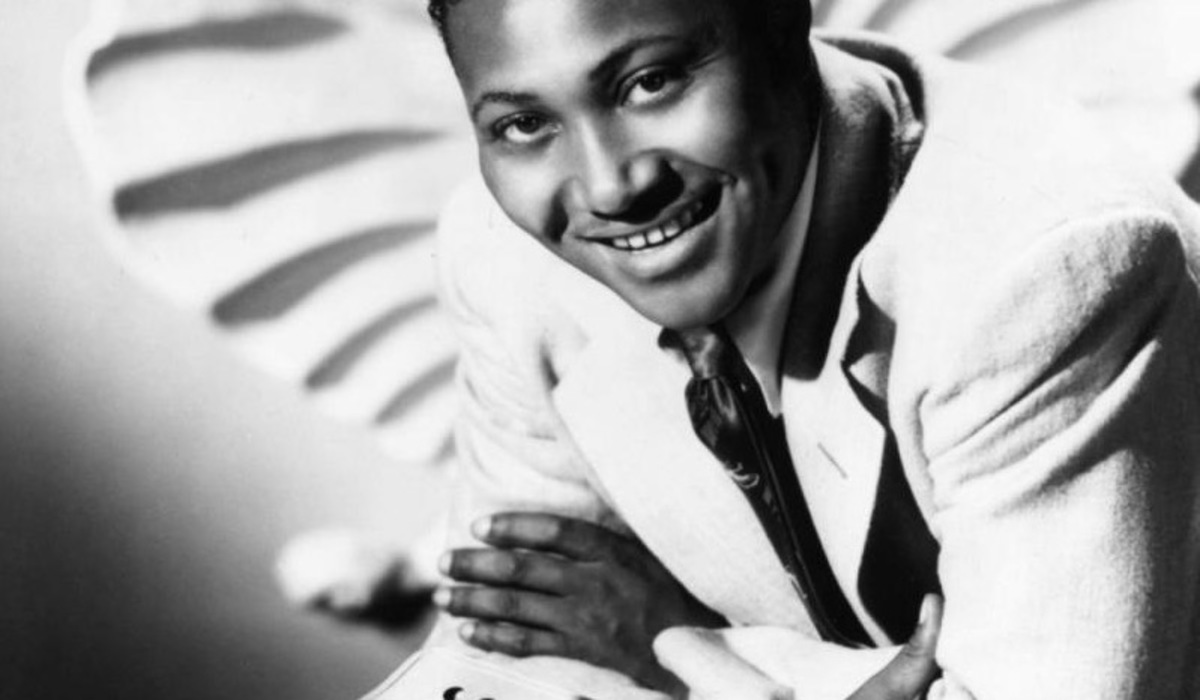
Amos Milburn – A Complete Biography
Introduction
Joseph Amos Milburn, known professionally as Amos Milburn, was one of the most influential American rhythm-and-blues pianists, singers, and bandleaders of the mid-twentieth century. His rollicking boogie-woogie piano, good-humored performance style, and memorable “drinking songs” made him a leading figure in postwar R&B. With a sound that bridged big-band swing, jump blues, and early rock & roll, Milburn left an imprint on the development of modern American popular music.

Childhood
Amos Milburn was born on April 1, 1927, in Houston, Texas, as one of thirteen children. From an early age he showed extraordinary musical talent. A rented family piano became his entry point into music, and he quickly learned to play melodies by ear. His parents encouraged his budding abilities, arranging lessons while allowing him space to explore music informally.
Growing up in Houston exposed Milburn to a rich variety of musical styles. He listened to barrelhouse blues, boogie-woogie, and jazz in local clubs and taverns, absorbing the rhythmic sensibilities that would later define his sound. By the time he reached adolescence, he had already begun cultivating the distinctive piano voice that would carry him to national fame.
Youth
Milburn entered his teenage years with both talent and determination. Around the age of fifteen he enlisted in the U.S. Navy during World War II, reportedly serving in the Pacific and earning commendations for his duty. After returning to Houston at the war’s end, he threw himself into music, forming bands and performing in local nightspots.
During this time he led ensembles ranging from small combos to a 16-piece group, showcasing his versatility and ambition. His performances blended boogie-woogie piano with lively, dance-oriented rhythms and conversational lyrics. The combination drew enthusiastic local audiences and eventually attracted the attention of music industry figures.
Adulthood and Career Breakthrough
Milburn’s career took a significant turn when he was signed to Aladdin Records in Los Angeles. Recording for the label in the mid-1940s and throughout the 1950s, he became one of its most successful artists. His first major national successes came in the late 1940s with hits like “Chicken Shack Boogie,” “Hold Me Baby,” and “Down the Road a Piece.”
His sound was unmistakable: a powerful left-hand boogie pattern, bright horn arrangements, and a laid-back but rhythmic vocal delivery. Milburn’s stage persona—fun-loving, witty, and charismatic—further boosted his appeal. By the early 1950s he was among the most popular R&B performers in the country.
Milburn’s signature songs often revolved around nightlife and drinking, themes he approached with humor and charm. Tracks such as “Bad, Bad Whiskey,” “One Scotch, One Bourbon, One Beer,” and “Thinking and Drinking” became staples of jukeboxes and R&B radio shows. His music helped define the jump-blues genre and influenced the emerging sound of early rock & roll.
Major Compositions and Signature Songs
Amos Milburn’s catalog includes some of the most memorable rhythm-and-blues recordings of the postwar era. Among his most celebrated pieces are:
- “Chicken Shack Boogie” — a lively boogie-woogie anthem that propelled him to national attention.
- “Down the Road a Piece” — a classic Texas-boogie number showcasing his barrelhouse roots.
- “Bad, Bad Whiskey” — a humorous yet rueful take on the consequences of drinking, and one of his biggest hits.
- “One Scotch, One Bourbon, One Beer” — a laid-back drinking song that became a standard in blues and R&B repertoires.
- “Thinking and Drinking” — a prime example of Milburn’s blend of wit, rhythm, and piano virtuosity.
Over his career he recorded more than seventy sides for Aladdin Records and continued recording with other labels into the 1960s. His work remains widely reissued and anthologized.
Style, Influence, and Live Performance
Milburn’s piano technique drew deeply from barrelhouse and boogie-woogie traditions. His left hand anchored a driving rhythm, while his right hand delivered energetic riffs, bluesy fills, and melodic flourishes. Whether performing solo or fronting a jump-blues combo, he brought a sense of fun, warmth, and immediacy to the stage.
His music influenced numerous artists who would shape the early rock & roll movement. Performers such as Fats Domino and other R&B pianists built upon Milburn’s rhythmic approach and thematic style, especially his blend of humor, nightlife imagery, and dance-friendly grooves.
Later Life and Health
Although Milburn continued performing and recording into the 1950s and early 1960s, changing musical trends gradually moved him out of the national spotlight. He recorded briefly for other labels, including Imperial, and even made a short-lived connection with Motown for an LP.
Unfortunately, Milburn’s later years were marked by severe health challenges. He suffered multiple strokes, which affected his mobility and curtailed his ability to perform. Despite these hardships, he remained respected among musicians and fans who regarded him as one of the great innovators of R&B piano.
Death
Amos Milburn died on January 3, 1980, in Houston, Texas, at the age of fifty-two. His passing was mourned throughout the blues and R&B communities. In the years following his death, his legacy gained renewed recognition through reissues, historical studies, and tributes that reaffirmed his role as a foundational figure in postwar American music.
Conclusion
Amos Milburn’s music remains an essential part of the story of rhythm and blues. With his blend of virtuosic piano, jump-blues energy, and down-to-earth humor, he helped shape the sound that bridged R&B and early rock & roll. His influence can be heard in generations of blues and rock pianists who followed.
Though his career was cut short by illness, Milburn’s recordings continue to inspire musicians, scholars, and listeners. His legacy endures as a testament to the power of rhythm, good humor, and musical innovation—and as one of the defining voices of postwar American blues.
Comments are closed