Introduction
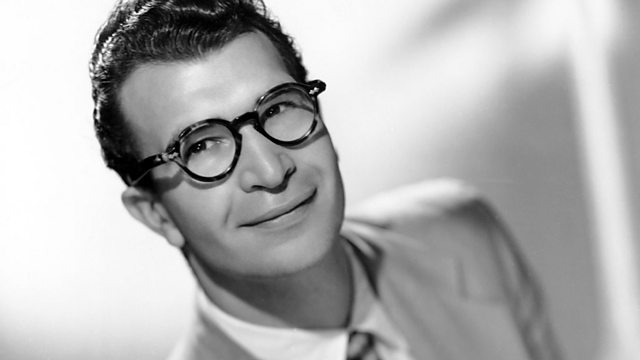
Dave Brubeck was one of the most influential American jazz musicians of the twentieth century. A pianist, composer, and bandleader, he became internationally famous for combining jazz improvisation with elements of classical music and for experimenting with unusual rhythms and time signatures. Although he is sometimes mistakenly associated primarily with blues music, Brubeck’s greatest contributions were in the fields of jazz, cool jazz, and third-stream music, where he helped bridge the gap between popular and sophisticated musical forms.
Throughout a career that lasted more than six decades, Brubeck created a unique musical language that inspired generations of musicians. His recordings, especially the landmark album Time Out, brought jazz to audiences far beyond traditional jazz circles and established him as one of the most recognizable figures in American music.
Childhood
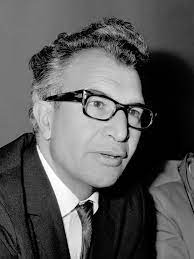
David Warren Brubeck was born on December 6, 1920, in Concord, California. He grew up on a cattle ranch in the Sierra Nevada foothills, where his father worked as a rancher. The rural environment of his childhood played an important role in shaping his character, giving him a lifelong appreciation for hard work, independence, and the natural landscape of California.
Brubeck came from a musical family. His mother, Elizabeth Brubeck, was a classically trained pianist who introduced him to music at an early age. He began taking piano lessons when he was four years old and later studied the cello as well. Despite his early musical training, young Dave was often more interested in creating his own melodies than in practicing conventional exercises.
One unusual aspect of his childhood was his difficulty reading musical notation. For many years he relied heavily on his ear and memory, preferring to learn music through listening and improvisation. This tendency would later contribute to the originality of his compositional style.
Youth
As a teenager, Brubeck played with local bands and developed a strong interest in jazz. He attended the College of the Pacific in Stockton, California, where he initially considered studying veterinary science before ultimately choosing music.
After graduating in 1942, he enlisted in the United States Army during World War II. His military service proved significant for his musical development. Rather than serving primarily in combat roles, he performed in military bands and eventually led an integrated jazz ensemble, a progressive and uncommon arrangement at a time when racial segregation remained widespread in the United States.
Following the war, Brubeck studied composition at Mills College under the French composer Darius Milhaud. Milhaud encouraged him to blend classical compositional techniques with jazz improvisation. This mentorship profoundly influenced Brubeck’s artistic vision and helped shape the innovative style that would define his career.
During the late 1940s, Brubeck formed several small ensembles, including the Dave Brubeck Octet. Around this time he began collaborating with alto saxophonist Paul Desmond, a partnership that would become one of the most important in jazz history.
Adulthood
The 1950s marked Brubeck’s rise to national and international fame. He formed the Dave Brubeck Quartet, whose classic lineup eventually included Paul Desmond on alto saxophone, Joe Morello on drums, and Eugene Wright on bass.
The quartet achieved remarkable success by combining sophisticated musical ideas with broad public appeal. Brubeck’s piano style was powerful and rhythmic, while Desmond’s lyrical saxophone playing provided an elegant contrast. Together they created a distinctive sound that appealed to both dedicated jazz listeners and newcomers to the genre.
In 1954, Brubeck became the first jazz musician to appear on the cover of Time magazine, a sign of his growing popularity. During the following years, the quartet toured extensively around the world, performing in Europe, the Middle East, Asia, and many other regions.
The release of Time Out in 1959 represented a turning point in jazz history. The album featured unconventional time signatures that challenged traditional expectations while remaining accessible to a mass audience. Its commercial success demonstrated that complex musical ideas could reach mainstream listeners.
Throughout the 1960s and beyond, Brubeck expanded his creative interests. He composed orchestral works, ballets, sacred music, cantatas, and theatrical productions. Among these projects was The Real Ambassadors, a musical work that addressed issues of race, diplomacy, and American culture.
Brubeck continued performing well into old age. His later decades were marked by numerous honors, including the Grammy Lifetime Achievement Award, the National Medal of Arts, and recognition as a Jazz Master by the National Endowment for the Arts. Despite his fame, he remained known for his humility, intellectual curiosity, and dedication to musical exploration.
Major Compositions
Dave Brubeck composed hundreds of works during his career. Several of them became jazz standards and remain widely performed today.
Take Five
Although written by Paul Desmond and recorded by the Dave Brubeck Quartet, “Take Five” became closely associated with Brubeck’s legacy. Written in an unusual 5/4 time signature, it became one of the most successful jazz recordings ever produced and introduced millions of listeners to modern jazz.
Blue Rondo à la Turk
Inspired by Turkish rhythms that Brubeck encountered during international tours, this composition combined jazz improvisation with complex rhythmic structures. It remains one of his most celebrated works.
In Your Own Sweet Way
This lyrical jazz ballad became a standard performed by numerous musicians. It demonstrated Brubeck’s gift for memorable melodies and sophisticated harmonic writing.
The Duke
Written as a tribute to Duke Ellington, this composition reflects Brubeck’s admiration for one of jazz’s greatest pioneers. It remains a favorite among jazz performers.
The Real Ambassadors
Created with his wife, Iola Brubeck, this ambitious musical production explored themes of diplomacy, racial equality, and American identity. The work showcased Brubeck’s abilities beyond the traditional jazz format.
Sacred and Classical Works
Later in life, Brubeck devoted increasing attention to larger compositions, including The Light in the Wilderness, The Gates of Justice, and several masses, cantatas, and orchestral works. These pieces demonstrated his lifelong interest in combining jazz with classical traditions and spiritual themes.
Death
Dave Brubeck died of heart failure on December 5, 2012, in Norwalk, Connecticut, just one day before his ninety-second birthday. At the time of his death, he remained active as a performer and composer.
The news of his passing prompted tributes from musicians, critics, and public figures around the world. Many praised not only his musical achievements but also his role as a cultural ambassador who helped bring jazz to international audiences.
Brubeck was buried in Connecticut, and memorial celebrations honoring his life and work were held in the months following his death.
Conclusion
Dave Brubeck occupies a unique place in the history of American music. By combining jazz improvisation with classical influences, unusual rhythms, and innovative structures, he expanded the possibilities of the jazz genre and brought it to a global audience.
His achievements extend far beyond commercial success. Brubeck demonstrated that artistic experimentation and popular appeal could coexist, inspiring countless musicians to explore new creative directions. Decades after the release of his most famous recordings, his music continues to be studied, performed, and celebrated around the world.
Today, Dave Brubeck is remembered not only as a brilliant pianist and composer but also as a visionary artist whose work transformed modern jazz and left a lasting mark on twentieth-century music.
Comments are closed