Introduction
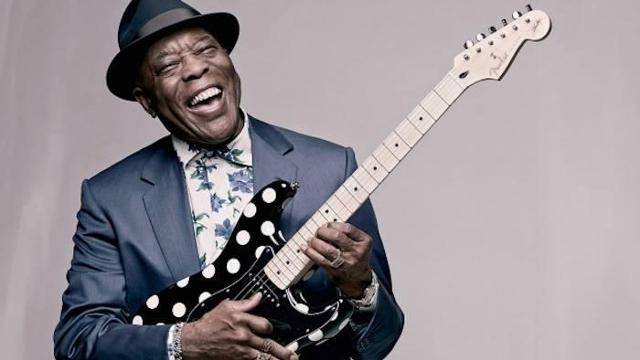
Buddy Guy stands among the greatest blues musicians of all time. Known for his expressive guitar playing, dynamic performances, and passionate singing, he helped bridge the gap between traditional blues and modern electric blues. Throughout a career spanning more than seven decades, Guy has earned numerous awards and accolades, including multiple Grammy Awards, induction into the Rock and Roll Hall of Fame, and recognition as one of the world’s finest guitarists.
His influence extends far beyond the blues genre. Legendary musicians such as Eric Clapton, Jimi Hendrix, Stevie Ray Vaughan, Jimmy Page, and Jeff Beck have cited Buddy Guy as a major inspiration. Despite facing numerous challenges throughout his career, he remained committed to preserving and promoting the blues tradition while continuing to innovate as an artist.
Childhood
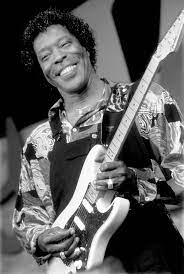
George “Buddy” Guy was born on July 30, 1936, in Lettsworth, Louisiana, a small farming community near Baton Rouge. He was the son of Sam and Isabel Guy and grew up in a large family in the rural South during a period marked by economic hardship and racial segregation.
Life on the family farm was difficult. The family lived without many modern conveniences, and young Buddy spent much of his childhood helping with agricultural work. Despite these challenges, music became an important part of his life at an early age. He was exposed to blues, gospel, and folk music through local musicians and radio broadcasts.
Guy’s first guitar was homemade. Unable to afford a professionally manufactured instrument, he built a guitar using materials he could find, including wires and pieces of wood. This early experience demonstrated both his determination and his passion for music. He spent countless hours teaching himself to play, drawing inspiration from blues legends such as Lightnin’ Hopkins, T-Bone Walker, John Lee Hooker, and Muddy Waters.
Youth
As a teenager, Buddy Guy became increasingly devoted to music. He began performing locally in Louisiana and quickly developed a reputation for his energetic playing style. His talent attracted attention wherever he performed, and he dreamed of pursuing a professional music career.
In 1957, seeking greater opportunities, Guy moved to Chicago, Illinois, which was then the center of electric blues music. Chicago offered a thriving music scene where legendary artists performed regularly in clubs and recording studios.
The transition was not easy. Like many young musicians, Guy initially struggled financially and worked various jobs while attempting to establish himself in the competitive music industry. Nevertheless, his exceptional guitar skills soon attracted attention from prominent musicians and record producers.
Within a short period, Guy began performing with many of the leading figures of Chicago blues. His technical skill, emotional intensity, and innovative approach distinguished him from other guitarists of the era. He became a regular presence in Chicago clubs and steadily built his reputation among blues audiences.
Adulthood
Buddy Guy’s professional breakthrough came during the late 1950s and early 1960s when he signed with Chess Records, one of the most important labels in blues history. Although the label often viewed him primarily as a session musician, Guy contributed to numerous influential recordings during this period.
He worked alongside blues legends including Muddy Waters, Howlin’ Wolf, Willie Dixon, Little Walter, and Sonny Boy Williamson II. These collaborations helped solidify his status within the blues community and provided valuable experience in professional recording environments.
Throughout the 1960s and 1970s, Guy developed a distinctive performance style characterized by explosive guitar solos, dramatic stage antics, and deep emotional expression. While many of his innovations were initially overlooked by mainstream audiences, younger musicians recognized his brilliance and incorporated aspects of his style into rock and blues music.
The blues experienced periods of declining commercial popularity during the 1970s and 1980s, creating challenges for many performers. Nevertheless, Guy continued touring and recording. He opened Buddy Guy’s Legends, a blues club in Chicago that became an important venue for preserving and promoting blues music.
A major career resurgence occurred in the 1990s. Albums such as Damn Right, I’ve Got the Blues introduced him to new audiences and earned widespread critical acclaim. From that point forward, he enjoyed renewed commercial success while continuing to tour extensively.
Over the years, Guy received numerous honors, including Grammy Awards, Blues Music Awards, the National Medal of Arts, and recognition from major cultural institutions. His contributions to American music were increasingly acknowledged as foundational to the development of modern guitar playing.
Major Compositions
Although Buddy Guy is best known as a performer and interpreter of blues music, he has recorded many influential songs that have become staples of his repertoire.
Damn Right, I’ve Got the Blues
Released in 1991, this song became one of Buddy Guy’s signature recordings. The track played a crucial role in revitalizing his career and introducing his music to a new generation of listeners.
Stone Crazy
One of Guy’s most celebrated guitar showcases, “Stone Crazy” highlights his innovative approach to electric blues. The recording features intense guitar work that influenced countless musicians.
First Time I Met the Blues
This early recording helped establish Guy as a major blues artist. The song demonstrates both his powerful vocals and expressive guitar technique.
Leave My Girl Alone
A classic blues performance that remains a favorite among fans and musicians alike. Guy’s interpretation showcases his emotional depth and commanding stage presence.
Five Long Years
His version of this blues standard became one of the defining recordings of his career, displaying his ability to combine technical mastery with heartfelt storytelling.
Feels Like Rain
The title track from his successful 1993 album demonstrated Guy’s versatility and ability to blend traditional blues elements with contemporary influences.
Mustang Sally
Although originally recorded by another artist, Buddy Guy’s live performances of “Mustang Sally” became legendary and helped expand his audience.
Midnight Train
This song further demonstrated his mature artistry and ability to communicate complex emotions through blues music.
Death
As of 2026, Buddy Guy is still alive. Despite advancing age, he remains one of the most respected and admired figures in blues music. He has continued to perform, record, and make public appearances while serving as an ambassador for the blues tradition.
His longevity is remarkable in a profession where many of his contemporaries passed away decades ago. Through his ongoing work, he continues to inspire musicians and audiences around the world.
Conclusion
Buddy Guy’s life story is a testament to perseverance, talent, and dedication to artistic expression. From building homemade guitars in rural Louisiana to becoming one of the most celebrated blues musicians in history, his journey reflects the enduring power of music to overcome adversity.
His influence extends across multiple generations and genres. By preserving the traditions of the blues while simultaneously pushing the music forward, Guy helped shape the sound of modern guitar music. His recordings, performances, and mentorship of younger artists have ensured that the blues remains a vital and respected art form.
Today, Buddy Guy is recognized not only as a legendary blues musician but also as one of the most important figures in American musical history. His legacy continues to grow, and his contributions to the blues will be remembered for generations to come.
Comments are closed