Introduction
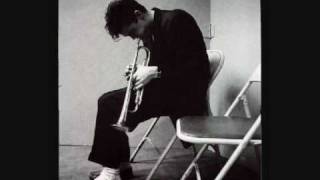
Chet Baker was one of the most influential figures in modern jazz. Known for his lyrical trumpet playing and soft, intimate singing voice, he became one of the defining artists of the cool jazz movement during the 1950s. His handsome appearance, understated musical style, and emotionally expressive performances made him an international icon. Yet his life was also marked by addiction, legal troubles, and personal struggles that often overshadowed his remarkable artistic achievements.
Despite decades of hardship, Baker maintained a unique musical voice that continued to captivate audiences until his death in 1988. Today, he is remembered as one of the most distinctive trumpeters and vocalists in jazz history.
Childhood
Chet Baker was born Chesney Henry Baker Jr. on December 23, 1929, in Yale, Oklahoma. He grew up in a musical family. His father had worked as a guitarist, and music was a regular part of family life.
When Baker was still a child, his family relocated to California in search of better economic opportunities. Growing up on the West Coast exposed him to a vibrant musical culture that would later shape his career.
As a teenager, Baker initially played the trombone before switching to the trumpet. He quickly demonstrated a natural aptitude for the instrument. His school band performances revealed an unusual sensitivity and melodic instinct that distinguished him from many young musicians of his generation.
Music soon became the central focus of his life, and he devoted countless hours to practicing and developing his technique.
Youth
At the age of sixteen, Baker enlisted in the United States Army. During his military service, he played in army bands, gaining valuable experience as a musician. While serving, he became increasingly interested in the emerging bebop movement and listened closely to artists such as Dizzy Gillespie and Charlie Parker.
After leaving the Army, Baker settled in California and immersed himself in the local jazz scene. His talent quickly attracted attention. During the early 1950s, he performed with several important jazz musicians, including Charlie Parker and Stan Getz.
His major breakthrough came in 1952 when he joined baritone saxophonist Gerry Mulligan’s innovative piano-less quartet. The group’s sound was fresh, relaxed, and highly melodic. Baker’s lyrical trumpet style perfectly complemented Mulligan’s arrangements.
Recordings such as “My Funny Valentine,” “Bernie’s Tune,” and “Walkin’ Shoes” brought widespread recognition. Critics and audiences alike praised Baker’s cool tone, emotional subtlety, and seemingly effortless phrasing.
By the age of twenty-three, he had become one of the biggest stars in jazz.
Adulthood
Following his success with Gerry Mulligan, Baker formed his own ensembles and launched a highly successful solo career. During the mid-1950s, he surprised many listeners by establishing himself as a vocalist. His singing style reflected the same qualities found in his trumpet playing: vulnerability, intimacy, and emotional honesty.
His album Chet Baker Sings became one of the most celebrated vocal jazz recordings ever made. Songs such as “My Funny Valentine,” “I Fall in Love Too Easily,” and “But Not for Me” helped define his artistic identity.
However, his growing fame was accompanied by serious personal problems. Baker developed a heroin addiction that would affect nearly every aspect of his life. Throughout the 1950s and 1960s, he faced numerous arrests and periods of incarceration in both the United States and Europe.
Despite these setbacks, Baker continued to record and perform extensively. He spent much of the 1960s and 1970s in Europe, where audiences remained particularly loyal to him.
One of the most difficult periods of his life occurred in the mid-1960s when he suffered severe dental injuries during an assault. Because his embouchure—the way a trumpeter uses the lips and facial muscles—was damaged, he was forced to relearn how to play his instrument almost from the beginning.
Many musicians would have ended their careers under such circumstances, but Baker persevered. During the late 1970s and 1980s, he experienced a remarkable artistic resurgence. Critics often regard many recordings from this later period as among the most emotionally profound of his career.
Major Compositions
Although Baker is best known as an interpreter of jazz standards, he also composed a number of original works. Among his most notable compositions are:
- “Early Morning Mood”
- “Chetty’s Lullaby”
- “Freeway”
- “The Route”
- “Skidaddlin'”
- “Blue Gilles”
- “Dessert”
- “Anticipated Blues”
- “Blues for a Reason”
- “New Morning Blues”
- “Looking Good Tonight”
Beyond his original compositions, Baker’s artistic legacy is strongly associated with his interpretations of classic jazz standards. Performances of songs such as “My Funny Valentine,” “I Fall in Love Too Easily,” “Let’s Get Lost,” and “Time After Time” became inseparable from his musical identity and remain widely admired today.
Death
On May 13, 1988, Chet Baker died in Amsterdam, Netherlands, at the age of fifty-eight. He was found on the street below his hotel room after falling from a window at the Hotel Prins Hendrik.
Authorities discovered traces of drugs in his system, and the death was officially ruled an accident. However, the circumstances surrounding his fall generated speculation and debate for many years.
His death marked the end of a career that had spanned nearly four decades. Only months later, the acclaimed documentary Let’s Get Lost was released, introducing his story to a new generation of listeners and helping to cement his legendary status.
Baker was buried in California, where much of his musical journey had begun.
Conclusion
Chet Baker remains one of the most fascinating and influential figures in jazz history. His trumpet playing combined technical elegance with emotional depth, while his singing introduced a level of vulnerability rarely heard in popular music.
His life embodied both extraordinary artistic achievement and profound personal struggle. Although addiction and controversy often dominated public perceptions of him, his music ultimately transcended those difficulties.
Today, Baker’s recordings continue to inspire musicians and listeners around the world. His distinctive sound, characterized by lyricism, restraint, and emotional honesty, ensures that his legacy endures as one of the defining voices of twentieth-century jazz.
Comments are closed