Introduction
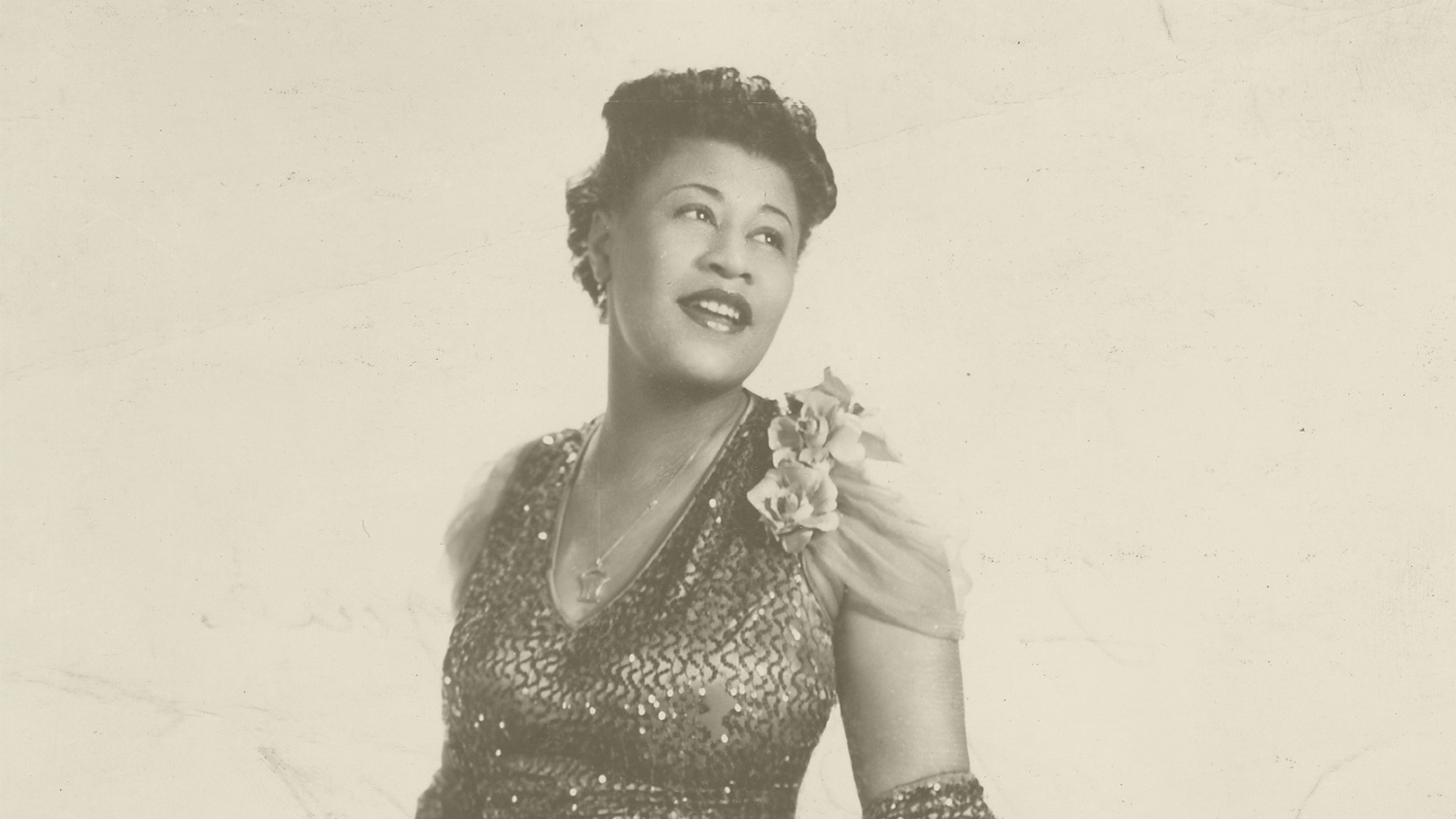
Ella Fitzgerald was one of the most influential singers in the history of American music. Known as the “First Lady of Song,” the “Queen of Jazz,” and simply “Lady Ella,” she became famous for her extraordinary vocal range, impeccable timing, clear diction, and remarkable ability to improvise through scat singing. During a career that lasted nearly six decades, Fitzgerald helped shape jazz and popular music, recording hundreds of songs and inspiring generations of musicians around the world.
Although she is often associated primarily with jazz, Fitzgerald also performed blues, swing, traditional pop, bebop, and other musical styles. Her voice and artistry made her one of the most respected performers of the twentieth century. Through perseverance, talent, and dedication, she rose from a childhood marked by poverty and hardship to become an international cultural icon.

Childhood
Ella Jane Fitzgerald was born on April 25, 1917, in Newport News, Virginia. Her parents, William Fitzgerald and Temperance “Tempie” Henry, separated shortly after her birth. Ella moved with her mother to Yonkers, New York, where they eventually lived with Joseph Da Silva, her mother’s partner. In 1923, her half-sister Frances was born.
As a child, Fitzgerald was bright, energetic, and deeply interested in music. She enjoyed singing, dancing, and listening to records. Her family attended church regularly, and music became an important part of her life at an early age. She also took piano lessons and dreamed of becoming an entertainer.
Despite her talents and ambitions, Fitzgerald’s childhood was not easy. Her family struggled financially, and she often helped by taking small jobs. The greatest tragedy of her early life occurred in 1932 when her mother died unexpectedly. The loss devastated the fifteen-year-old Ella and marked the beginning of a difficult period that included instability, poverty, and homelessness.
Youth
After her mother’s death, Fitzgerald lived with relatives but found it difficult to adjust. She left school and spent time on the streets of Harlem, where she struggled to survive. During this period, she worked various jobs and experienced the hardships faced by many young African Americans during the Great Depression.
Everything changed on November 21, 1934, when she entered an amateur talent contest at the Apollo Theater in Harlem. Originally planning to perform as a dancer, she changed her mind at the last moment and decided to sing instead. Her performance captivated the audience, and she won first prize.
The victory opened the door to a professional music career. In 1935, Fitzgerald was introduced to drummer and bandleader Chick Webb, one of the leading figures of the swing era. Webb recognized her exceptional talent and invited her to join his orchestra. Performing regularly at the famous Savoy Ballroom in Harlem, Fitzgerald quickly gained attention for her distinctive voice and stage presence.
Her breakthrough came in 1938 with the song “A-Tisket, A-Tasket,” which she co-wrote and recorded with Webb’s orchestra. The recording became one of the biggest hits of the decade and transformed Fitzgerald into a national star.
Adulthood
When Chick Webb died in 1939, Fitzgerald assumed leadership of the orchestra, which was renamed Ella Fitzgerald and Her Famous Orchestra. This achievement was remarkable for a young African American woman during a period when the music industry was dominated by men.
In the early 1940s, Fitzgerald launched a solo career that would eventually establish her as one of the greatest vocalists in history. She performed with leading musicians such as Louis Armstrong, Duke Ellington, Count Basie, and Dizzy Gillespie. These collaborations expanded her musical range and strengthened her reputation within the jazz community.
During the 1950s and 1960s, Fitzgerald entered one of the most successful periods of her career. Under the guidance of producer Norman Granz and the Verve record label, she recorded the celebrated “Songbook” series, interpreting the works of major American composers including Cole Porter, George Gershwin, Irving Berlin, Harold Arlen, and Duke Ellington. These recordings are widely regarded as masterpieces and helped preserve the legacy of the Great American Songbook.
Fitzgerald toured extensively throughout the United States and around the world. Her concerts were praised for their warmth, humor, and extraordinary musicianship. She won numerous awards, including multiple Grammy Awards, and became the first African American woman to receive a Grammy in 1958.
Despite her success, Fitzgerald remained known for her modesty and professionalism. Fellow musicians frequently praised her generosity, discipline, and dedication to her craft.
Major Compositions and Recordings
Although Fitzgerald was primarily celebrated as an interpreter of songs rather than a prolific composer, she contributed to and popularized many important works throughout her career.
Among her most famous recordings are:
A-Tisket, A-Tasket (1938)
Co-written by Fitzgerald, this playful adaptation of a nursery rhyme became her first major hit and established her as a national star.
Dream a Little Dream of Me
Her interpretation of this classic song demonstrated her ability to combine technical precision with emotional depth.
Cheek to Cheek
Recorded in collaboration with Louis Armstrong, this performance remains one of the most beloved versions of the American standard.
It Don’t Mean a Thing (If It Ain’t Got That Swing)
Her recording of Duke Ellington’s classic showcased her mastery of swing and jazz phrasing.
Into Each Life Some Rain Must Fall
A successful collaboration with The Ink Spots that became a popular hit during the 1940s.
The Songbook Series
Perhaps Fitzgerald’s greatest artistic achievement, these albums featured interpretations of songs by America’s most important composers. The series remains essential listening for students of jazz and American popular music.
In addition to these works, Fitzgerald became famous for her scat singing, a style of vocal improvisation that allowed her to use her voice as if it were a musical instrument. Her scat performances are still considered among the finest ever recorded.
Death
During the final years of her life, Fitzgerald suffered from several health problems related to diabetes. The disease caused serious complications, including vision impairment and circulation issues. In 1993, both of her legs were amputated below the knee.
Although her health declined, Fitzgerald remained admired and respected throughout the music world. She spent her final years surrounded by family and friends.
Ella Fitzgerald died on June 15, 1996, at her home in Beverly Hills, California, at the age of seventy-nine. Her death marked the end of one of the most remarkable careers in American music history.
Tributes poured in from musicians, political leaders, and fans across the globe. Many regarded her not only as one of the greatest jazz singers ever recorded but also as one of the finest vocalists of any genre.
Conclusion
Ella Fitzgerald’s life is a story of extraordinary resilience and achievement. Rising from poverty, personal tragedy, and social discrimination, she became one of the most celebrated artists of the twentieth century. Her voice combined technical brilliance with emotional sincerity, allowing her to connect with audiences across generations and cultures.
Through her recordings, live performances, and collaborations with other musical legends, Fitzgerald helped define the sound of American jazz and popular music. Her influence remains evident in countless singers who continue to study and admire her work.
More than two decades after her death, Ella Fitzgerald remains a symbol of artistic excellence, perseverance, and the transformative power of music. Her recordings continue to inspire listeners worldwide, ensuring that her legacy will endure for generations to come.
Comments are closed